Things to Do, Guides
Native Wings and Ancient Taonga Meet at Kahukura Hawke's Bay

|
By Alyssa | WhatsOn local events writer Alyssa picks out timely events, local favourites and useful places to eat, stay and explore. |
Quick details
| What | He Hononga Manu: Connecting Birds, People and Place |
|---|---|
| Date | 6 November 2026 - 7 March 2027 |
| Time | 09:30 |
| Where | Kahukura Hawke's Bay Museum (MTG Hawke's Bay) |
| Website | Organiser website |
| Contact | 06 835 7781 |
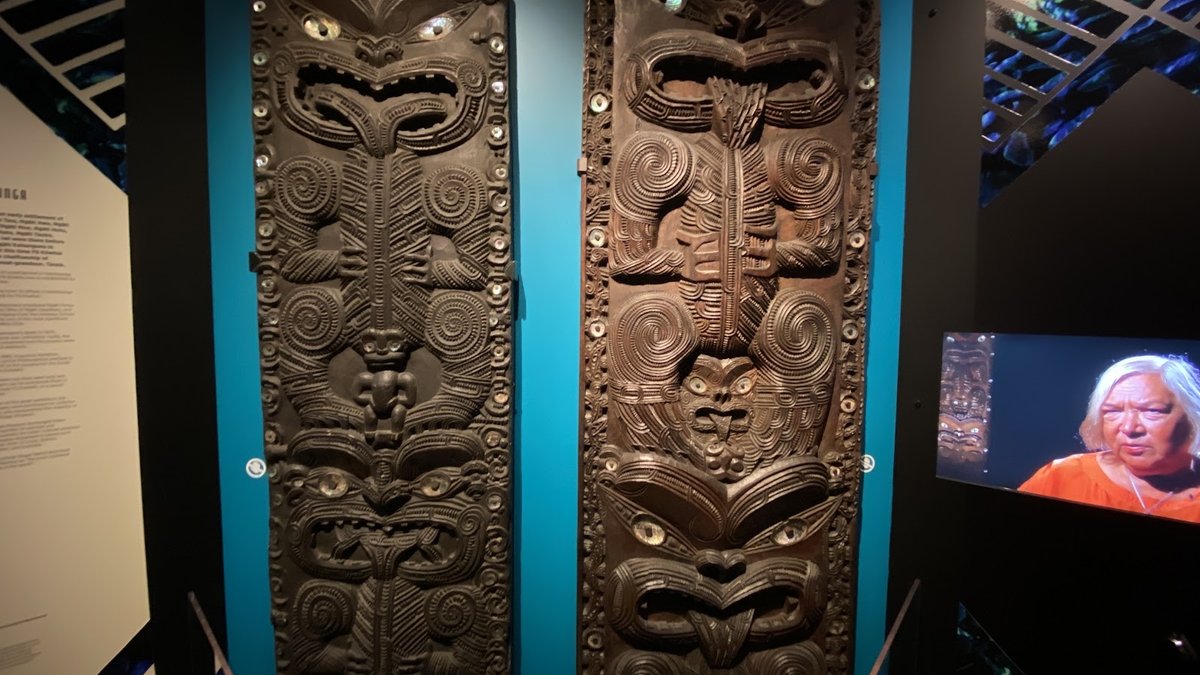
A profound celebration of natural heritage and cultural kinship takes centre stage on Napier's waterfront with He Hononga Manu: Connecting Birds, People and Place Hawke's Bay. Presented within the gallery spaces of Kahukura Hawke's Bay Museum, this exhibition brings together rare regional taonga Māori and precious natural history specimens to illuminate how avian life shaped human culture across Te Matau-a-Māui. Long before roads and settlements carved the coastline, native birds served as vital ancestors, seasonal navigators, food sources, and spiritual messengers for tangata whenua. By uniting intricately preserved specimens with woven garments, carved tools, and oral narratives, the exhibition delivers an unmissable lens on the living ecological landscape of the bay.
Carved Cloaks, Feathered Guides, and Forest Echoes
Stepping inside the quiet galleries, the atmosphere slows to a deliberate, contemplative pace where natural history meets centuries of human craftsmanship. The scent of polished timber and natural woven harakeke hangs in the temperature-controlled air, accompanied by the gentle ambient trills of bellbird, tūī, and long-silent wetland species playing through hidden soundscapes. Visitors move between meticulously displayed taxidermy birds and exquisite historical artifacts, comparing the vivid blue-green sheen of plumage directly against the woven borders of heirloom kākahu (feather cloaks). You notice how master carvers shaped bone and timber into intricate bird spears and delicate bird-calling whistles, illustrating an incredible intimacy with the coastal and inland forests.
The curation balances deep scholarly insight with rich hands-on discovery. For families, the space offers interactive observation points where younger explorers can inspect wing structures, touch specimen replicas, and decode the distinctive silhouettes of New Zealand forest and coastal manu. Art lovers and solo wanderers can lose themselves in the quiet details of feather arrangement on antique cloaks, studying the incredible patience required to bind thousands of individual plumages into protective garments that carried the mana of chiefs across generations.
A Gathering of Stewards and Coastal Storytellers
In the gallery, you quickly sense the communal reverence that surrounds this exhibition. Locals often return across different weeks, sometimes bringing multiple generations along to share ancestral recollections of local wetlands, the changes to the Ahuriri lagoon after the 1931 earthquake, and the ongoing push to restore native habitats on Bluff Hill and Cape Kidnappers. You will spot school groups leaning in close to study extinct and endangered bird specimens, alongside elderly residents and visiting international travellers trading insights on environmental restoration. The presence of regional taonga creates an atmosphere that feels less like a quiet storage vault and more like an active whare of storytelling, where everyone leaves with a sharpened awareness of the bird calls echoing right outside the museum doors.
Know Before You Go
- Aim to visit either right at the 09:30 morning opening or during the mid-afternoon lull to explore the gallery spaces without large tour groups.
- Admission to the permanent and temporary museum galleries is free of charge, making this an accessible visit for all travellers.
- Street parking is available along Marine Parade and Tennyson Street, with ticketed metered spaces closest to the entrance; free parking options can be found slightly further along the northern end of Marine Parade.
- The museum facility offers full flat-level accessibility, wide automated doors, and elevators serving all exhibition levels, accommodating wheelchairs, prams, and mobility scooters.
- Plan to spend at least 60 to 90 minutes inside to properly engage with the multimedia soundscapes, artifact notes, and natural history specimens.
- Exhibition details and any accompanying gallery floor talks can be verified ahead of your visit via the official Kahukura Hawke's Bay Museum website.
Make a Weekend of It
The cultural precinct surrounding the museum makes Napier a deeply rewarding base for an extended weekend exploration. Located at 1 Tennyson Street, the venue itself—Kahukura Hawke's Bay Museum—features rich galleries dedicated to the catastrophic 1931 earthquake and extensive regional art holdings that warrant extra time before or after the bird exhibition.
For a stay right across the street, Scenic Hotel Te Pania puts you directly on Marine Parade with curved architectural lines echoing the Pacific coastline. If you prefer to stay closer to town centre greenery, expressotel provides bright, contemporary rooms opposite the palms and flowerbeds of Clive Square, offering an easy ten-minute stroll down through the Art Deco shopping streets to the museum.
After immersing yourself in birdlife, lace up your walking shoes and head up the hillside to the Bluff Hill Lookout. From this vantage point above the port, you can scan the sweeping curve of Hawke Bay, watching sea gulls and shearwaters ride the thermal drafts while taking in panoramic views of the coastal ranges. If your visit falls on a weekend, take a short coastal drive north to Crab Farm Winery in Bay View, where rustic treehouse-style seating, relaxed vineyard lunches, and estate wines provide a cosy, grounded finish to a day of cultural discovery.
Catch this exhibition while its seasonal run continues, and you will never look at our native birds in quite the same way again — Alyssa, What's On Hawke's Bay