Wine & Vineyards
Gimblett Gravels Wine Guide: Touring Hawke's Bay's Red District
Updated 31 October 2026
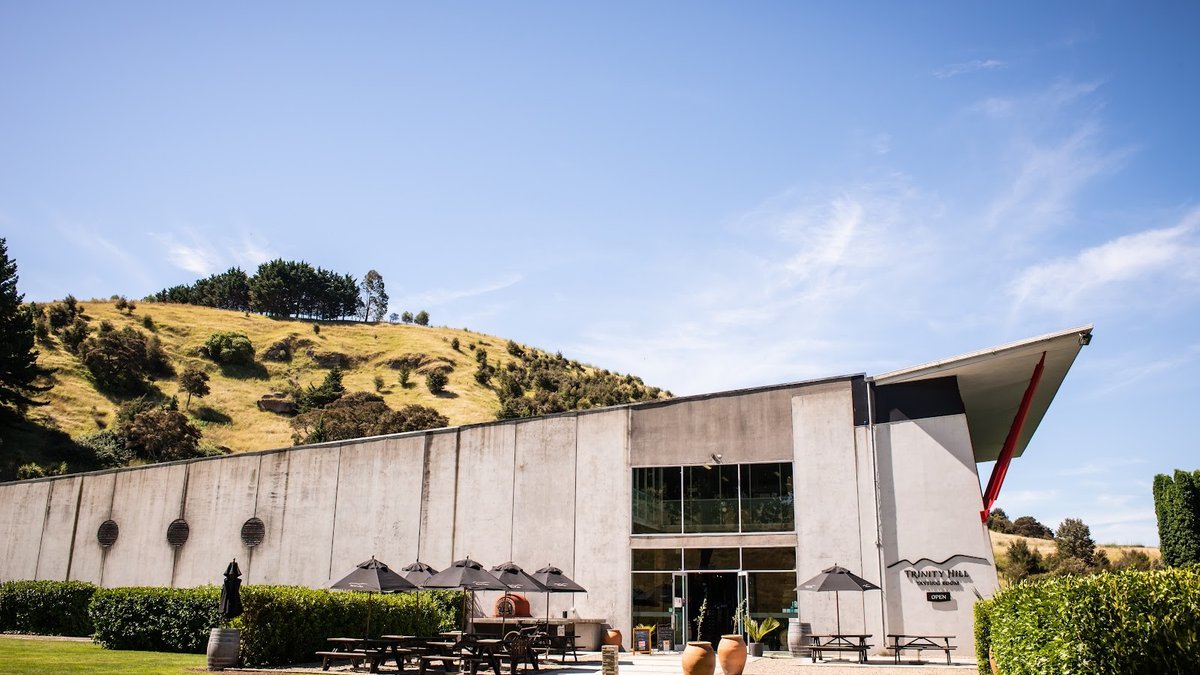
When you look across the sunny expanse of Hawke's Bay, it is easy to assume that fine wine belongs purely to gentle coastal slopes or lush river terraces. Yet, just inland from Hastings sits a remarkable, gravel-strewn plain where some of New Zealand's finest full-bodied red wines are created: the Gimblett Gravels wine-growing district. If you want an itinerary focused on serious reds—aromatic Syrah, plush Merlot, architectural Cabernet Sauvignon, and elegant red blends—this distinctive pocket of the Heretaunga Plains is essential touring.
Exploring the gimblett gravels nz district comes with an important logistical detail that catches many first-time visitors off guard. Unlike compact European wine villages where dozens of cellar doors sit shoulder-to-shoulder along a single lane, this 800-hectare viticultural district is devoted almost entirely to vineyard acreage. In fact, only a couple of active public cellar doors operate directly inside the official boundary of the district. Many of the celebrated estates that farm parcels of gimblett gravels vineyard land host their tasting rooms in nearby hubs like Hastings, Havelock North, Napier, or the neighboring Bridge Pa area. Understanding how this growing district is laid out is the key to planning an enjoyable, unhurried wine route.
The Story and Science of the Stony Riverbed
To appreciate what makes gimblett gravels wine so sought after, it helps to understand how a geological twist created this landscape. The origins of the district trace back to the 1860s, when a massive flood caused the braided Ngaruroro River to abandon its historic channel and carve an entirely new course to the sea. The receding floodwaters left behind a barren, exposed riverbed consisting of deep greywacke gravel, sand, and silt. For well over a century, the local community viewed this stony ground as essentially worthless for farming. Early accounts noted that it took roughly three acres of the scrubby terrain just to graze a single sheep, and conventional agriculture could not thrive in such unyielding stones.
Because the land was dismissed as unproductive wasteland, regional planners initially designated the area for industrial use. Concrete companies acquired sections to mine the riverbed for concrete gravel, while warehouses, depots, and even a drag strip found homes here. The turning point arrived in the late 1970s and early 1980s, when observant grape growers noticed that vines planted on these stony soils ripened far earlier than those in more fertile corners of Hawke's Bay, yielding small, concentrated berries with remarkably high natural sugar levels.
In 1981, Chris Pask, who ran an aerial top-dressing operation and had regularly flown over the district, purchased a 40-hectare block at the end of Gimblett Road. Having struggled to achieve complete ripeness with Cabernet Sauvignon on richer soils elsewhere in the region, he planted the district's first red vines: Cabernet Sauvignon, Merlot, and Cabernet Franc. The following year, in 1982, soil chemist Dr Alan Limmer established the Stonecroft vineyard on Mere Road. Limmer planted Cabernet alongside a row of Syrah cuttings he had personally rescued from the Te Kauwhata viticultural research collection right before they were slated to be destroyed. Those cuttings formed the first modern Syrah planting in New Zealand.
A protracted, decade-long legal battle soon followed as winemakers rallied to protect the gravel beds from aggressive industrial aggregate mining. The dispute was finally resolved in favor of viticultural protection in 1992, allowing an influx of premier producers to acquire land and establish vineyards throughout the 1990s. In January 2001, the growers formalized their boundaries and purpose by officially launching the Gimblett Gravels Wine Growers Association, establishing one of the southern hemisphere's most tightly defined terroir-based appellations.
The science behind why red vines thrive here centers on thermal retention and soil drainage. The exposed greywacke stones absorb the intense daytime sunshine Hawke's Bay receives and radiate that stored warmth back into the vine canopy long after twilight. This thermal effect raises ambient nighttime temperatures around the clusters by two to three degrees compared to nearby fertile soils. Meanwhile, the unfertile, free-draining stones prevent the vines from producing excessive vegetative growth, forcing their root systems to stretch deep into the riverbed. The result is perfectly balanced physiological ripeness in varieties that often struggle in cooler maritime climates.
Signature Grape Varieties in the Gravels
Red grape varieties dominate plantings across the district, accounting for fully 90% of the approximately 800 hectares under vine. The remaining 10% is dedicated to selective white varieties that flourish in warm, stony ground. Here is what you can expect across tasting flights:
- Merlot (35% of total plantings): Merlot represents the largest single share of the vineyard canopy. Rather than the simple, leafy profiles common in damp soils, gravel-grown Merlot is layered and velvety, showcasing ripe black cherry, plum, cocoa, and subtle dried herbs, providing both standalone elegance and lush fruit cores in blends.
- Syrah (20% of total plantings): The variety that has attracted worldwide critical acclaim. Gimblett Gravels Syrah delivers vibrant cracked black pepper, fresh violet florals, dark berries, and savory olive tapenade over a framework of fine, powdery tannins rather than high-alcohol jamminess.
- Cabernet Sauvignon (15% of total plantings): A classic gimblett gravels cabernet sauvignon delivers cedar, cassis, graphite, and structured architectural tannins. It acts as the backbone of the region's age-worthy Bordeaux-style blends and shines in warm vintages as a single-varietal statement.
- Malbec and Cabernet Franc (7% and 4% respectively): These classic blending partners add expressive personality. Malbec contributes inky floral dark-fruit richness, while Cabernet Franc brings fragrant red berry aromatics, graphite notes, and savory freshness. Small experimental plots of Tempranillo, Montepulciano, and Grenache add further depth across boutique cellars.
- Chardonnay and White Varietals (10% of plantings): The modest white plantings are dominated by Chardonnay and Viognier, alongside boutique parcels of Riesling and Gewürztraminer. Gimblett Gravels Chardonnay balances rich stone-fruit generosity with a clear, flinty mineral line driven by the riverbed stones.
Tasting Inside the District: Trinity Hill and Unison
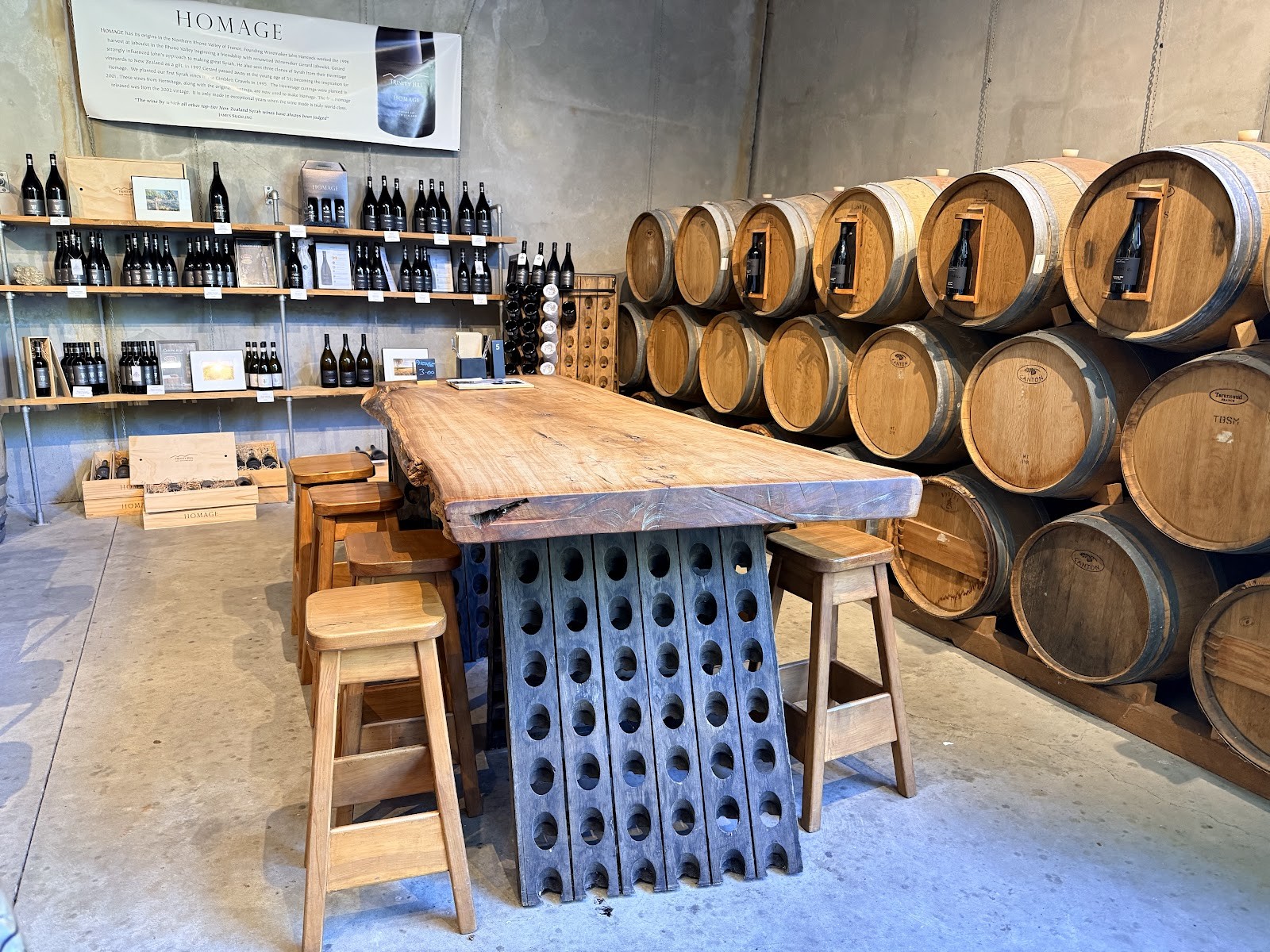
When you want to sit right among the vines of the appellation, there are two primary operational cellar doors within the physical borders of the district: Trinity Hill Winery and Unison Vineyard.
Founded in 1993, Trinity Hill sits along State Highway 50 at the heart of the district. The cellar door occupies a converted barrel hall featuring five-metre-high ceilings, exposed timber elements, and glass walls offering views directly into the working Chardonnay barrel hall. Outside, an expansive lawn provides a tranquil, dog-friendly environment for visitors wanting to enjoy a relaxed tasting in the fresh air. Trinity Hill is open seven days a week from 11:00 am to 5:00 pm, offering guided tasting flights alongside locally sourced food platters featuring artisan Hawke's Bay cheeses, charcuterie, and preserves. Because tastings are seated and informative, booking in advance is strongly recommended, especially on sunny weekends.
A short distance away on Gimblett Road is Unison Vineyard, one of the district's pioneering boutique properties. Founded by early champions of the gravels, Unison offers a personal, craft-centered tasting experience. Their cellar door provides an intimate setting to sample small-batch Syrah, Merlot, and red blends poured by hosts who know the micro-terroir of the surrounding vineyard blocks intimately. Visiting Unison provides an ideal boutique contrast to the grand scale of Trinity Hill, illustrating the diversity of winemaking styles possible within the same ancient riverbed.
Discovering Gimblett Gravels Wines Across Hawke's Bay
Because the physical district contains limited public tasting rooms, many of the premier producers who craft gimblett gravels wine welcome visitors at cellar doors situated throughout Hawke's Bay's neighboring towns and rural valleys. Touring these regional destinations is an essential part of getting the full picture.
A prime example is Pask Winery, whose founder planted the very first red vines here in 1981. The Pask cellar door is located at 1133 Omahu Road in Twyford, Hastings, just a short drive from the vineyard. Every wine poured at the Pask tasting bench originates from their single vineyard in the Gimblett Gravels. Open Monday through Friday from 10:00 am to 4:30 pm, Pask hosts guided 45- to 60-minute tastings. Guests can observe the operational winery through large interior viewing windows while sampling their core Cellar Selection or flagship Declaration labels, with the option to order seasonal small plates from the onsite brasserie, Eleven Thirty Three.
Other leading Hawke's Bay cellar doors pouring exceptional Gimblett Gravels red wines include:
- Church Road Wines (Taradale, Napier): Founded in 1897, Church Road is a cornerstone of Hawke's Bay winemaking. Their Taradale estate offers tutored tastings of their reserve and single-vineyard red selections, historic barrel-room tours, and an acclaimed onsite restaurant.
- Craggy Range (Tukituki Valley, Havelock North): Set against the dramatic backdrop of Te Mata Peak, Craggy Range crafts some of the country's most celebrated single-vineyard Syrah and Bordeaux blends from their Gimblett Gravels blocks, alongside estate dining experiences.
- Elephant Hill (Te Awanga): Located directly on the coast overlooking the Pacific Ocean, Elephant Hill provides an intriguing contrast: you can sip deep, gravel-grown inland reds while taking in maritime views.
- Mission Estate Winery (Taradale, Napier): New Zealand's oldest winery, founded in 1851 by French missionaries, pours reserve Gimblett Gravels reds from its historic hillside property in Taradale.
- Smith & Sheth (Havelock North Village): An urban tasting lounge and sensory studio in the heart of Havelock North, pouring parcel-selected reds from their Gimblett Gravels holdings alongside other fine regional wines.
- Te Mata Estate (Havelock North): Dating back to 1896, Te Mata produces internationally acclaimed flagship reds that source pristine fruit from established vineyard blocks across the region, including the gravels.
Navigating the District: Cycling, Driving, and Tours
Choosing how to navigate between tasting rooms depends on your group's preferred travel pace, fitness level, and designated driver arrangements. Here are the three most practical ways to explore the area:
1. Cycling the Wineries Ride
For an active day out, exploring by bicycle is one of the most rewarding options. The Hawke's Bay Trails network includes the flat, dedicated off-road path known as the Wineries Ride, which connects the Gimblett Gravels directly with the adjacent Bridge Pa wine district.
The route allows you to pedal safely past vine rows without competing with highway traffic. A classic cycling loop combines in-district visits to Trinity Hill and Unison with neighboring Bridge Pa cellar doors, such as Oak Estate Wines, Abbey Estate, and Ash Ridge. When planning your ride, aim for no more than three or four cellar doors across the day. Even though the terrain is flat, tasting flights and relaxed vineyard lunches take time, and pacing ensures an enjoyable ride from start to finish.
2. Independent Self-Drive
Touring with a designated driver gives you total flexibility to bridge different sub-regions in a single day. You can easily start your morning with a structured tasting at Trinity Hill on State Highway 50, drive a few minutes down Omahu Road to visit Pask, and then head toward Napier or Havelock North for an afternoon tasting and meal at Church Road or Craggy Range.
3. Guided Wine Tours
If everyone in your group wants to taste without worrying about driving responsibilities or navigating rural roads, booking a guided gimblett gravels wine tour is a seamless alternative. Several professional tour operators based in Napier, Hastings, and Havelock North offer organized day tours and private charters. These guided excursions take care of pre-booked tasting times and transport logistics while providing local perspective on the region's soil chemistry, history, and vintage conditions.
Sample Full-Day Tasting Itinerary
To help you structure your time, here is a balanced full-day itinerary that combines in-district stops with nearby cellar doors pouring Gimblett Gravels fruit:
| Time | Location | Experience Focus |
|---|---|---|
| 10:30 AM | Pask Winery (Hastings) | Single-vineyard Gimblett Gravels Syrah, Merlot, and Cabernet blends in an unhurried guided flight. |
| 11:45 AM | Trinity Hill (SH50, Gimblett Gravels) | Iconic Syrah and Bordeaux-style reds inside the converted barrel hall, accompanied by a shared artisan platter on the lawn. |
| 1:30 PM | Unison Vineyard or Bridge Pa Triangle stop | Intimate, small-batch tasting at the cellar door, followed by a relaxed lunch stop nearby. |
| 3:30 PM | Church Road (Napier) or Craggy Range (Havelock North) | Comparative reserve tasting showcasing how Gimblett Gravels fruit expresses itself in benchmark regional labels. |
Practical Tips for Planning Your Visit
To ensure a smooth, enjoyable tasting journey across the district, keep these essential planning tips in mind:
- Reserve Tastings in Advance: Many Hawke's Bay tasting rooms focus on seated, hosted flights rather than brief counter pours. While walk-in guests are welcomed when capacity allows, reserved tables always take priority. For groups larger than six or eight people, booking ahead is almost universally required.
- Download an Official Map: Before setting out, download an official gimblett gravels wine map or pick up a regional cellar door guide. Having a clear spatial layout prevents you from driving down private vineyard lanes looking for tasting rooms that are located in neighboring towns.
- Allow Plenty of Time Per Stop: High-end red wines reward patience. Plan for 45 to 60 minutes at each cellar door to taste thoughtfully, talk with the hosts about viticultural practices, and cleanse your palate between pours. Visiting three or four wineries in a day is an ideal pace.
- Consider the Season: Visiting during the southern hemisphere spring (October through November) brings fresh green canopy shoots, comfortable cycling temperatures, and quieter tasting benches. Summer (December to February) brings vibrant vineyard buzz and outdoor lawn dining, while autumn (March to May) offers the excitement of grape harvest, with machinery and picking crews active across the gravel blocks.
- Inquire About Cellaring and Shipping: Gimblett Gravels reds—especially Cabernet-dominant blends and premium Syrah—are celebrated for their cellaring longevity. If you find exceptional bottles you wish to collect, most estate cellar doors can arrange direct courier shipping throughout New Zealand or internationally.
Whether you choose to cycle between cellar doors along the Wineries Ride, book an in-depth private tasting flight, or explore historic estates across Hawke's Bay, touring the Gimblett Gravels offers a fascinating connection to the remarkable soils and visionaries that established New Zealand red wine on the global stage.
Cover photo: Trinity Hill Winery - Trinity Hill Wines
By Alyssa.
Sources and further information
- Visit - Gimblett Gravels
- About Us - Gimblett Gravels
- Cellar Door Wine Tasting | Trinity Hill In Hawke's Bay
- Cellar Door Cycling | Hawke's Bay | Hawke's Bay Tourism
- Wine Tasting Hawke's Bay – Cellar Door Near Napier | Pask Winery
Sources checked: 2026-10-31.