Things To Do
Visiting Otatara Pa Historic Reserve: Walking Tracks and Visitor Guide
Updated 28 October 2026
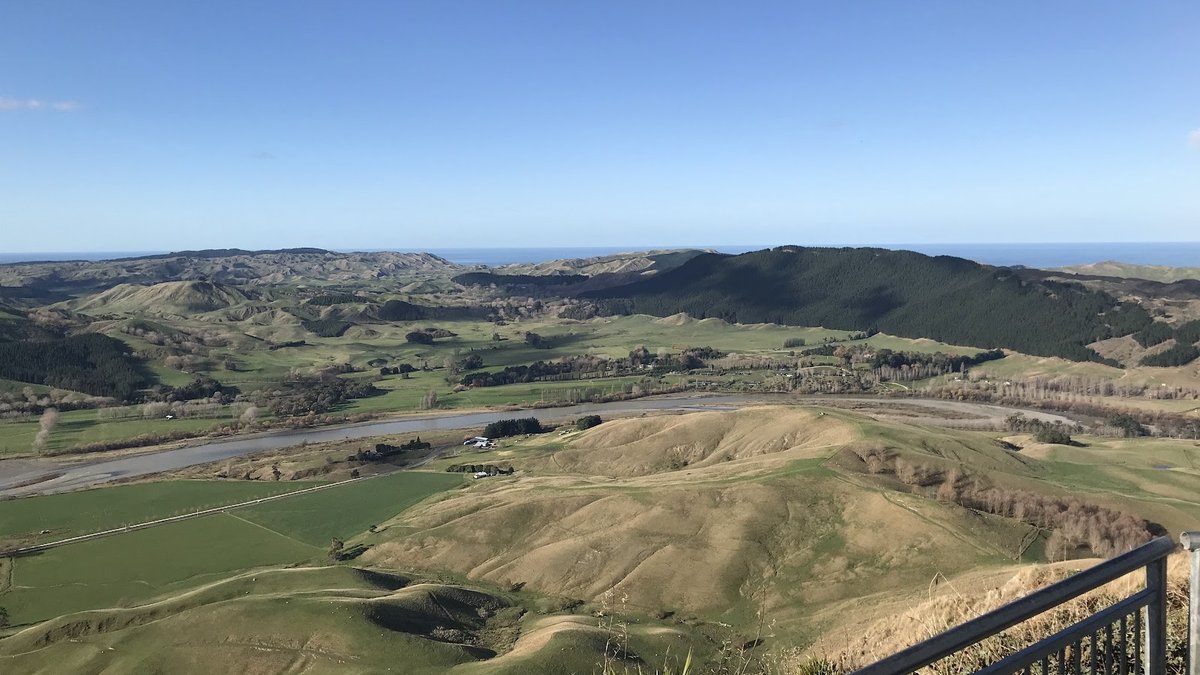
High on the hills overlooking the Heretaunga Plains stands one of the most prominent cultural landscapes in Aotearoa New Zealand: the otatara pa historic reserve. Spanning an expansive area just outside Taradale, this ancient defensive settlement provides a rare combination of sweeping regional panoramas and visible Māori earthworks that have endured across centuries. Whether you are seeking a scenic morning outing or wish to understand the layered human stories of Hawke's Bay, this protected landscape offers a grounded, evocative window into the past.
Before you tie your laces and set out across the open ridgelines, there are several practical details regarding track length, accessibility, historical context, and site respect that will help you make the most of your visit. Here is what you should know when planning a walk through Ōtātara Pā.
The Walking Track: Distance, Timing, and Terrain
The main otatara pa historic reserve walk offers an accessible way to explore the ridgelines without requiring technical hiking skills. Graded as an easy walk, the marked trail measures roughly 1.6 kilometres, taking about 45 minutes one way at a gentle, steady pace. Because the trail climbs progressively from the valley floor onto the crest of the hill, visitors should anticipate an uphill gradient that provides an invigorating workout for casual walkers and runners alike.
Families with children often find the track straightforward and manageable, though the open, undulating terrain means you should be prepared for exposure to the elements. Good walking shoes with reliable grip are recommended, particularly if the grassy slopes are damp underfoot. Since there is minimal shade across the open spurs, carrying sun protection and water will keep your outing comfortable throughout the warmer months.
Panoramic Viewpoints Across Hawke's Bay
One of the immediate highlights of taking the otatara pā historic reserve walk is the commanding vantage point it offers over the surrounding district. As you gain elevation along the trail, the landscape opens out into a breathtaking panorama that illustrates precisely why this ground was prized by generations of Māori leaders.
From the upper ridges, your gaze extends across the city of Napier, sweeps along the coastline towards Cape Kidnappers, and looks straight out into the Pacific Ocean. On exceptionally clear days, you can even catch sight of Mount Ruapehu rising in the central volcanic plateau of the North Island. The combination of rolling hills, ocean horizons, and inland mountain ranges makes the reserve an exceptional spot for landscape photography, rewarding those who pause along the crest with some of the most expansive vistas in the region.
For visitors exploring broader regional walks and coastal viewpoints, the open views here compare wonderfully with elevated lookouts such as Bluff Hill Lookout or the dramatic limestone ridges of Te Mata Peak, while adding a unique archaeological dimension that sets Ōtātara apart.
Historical and Cultural Significance: Otatara and Hikurangi
Understanding the deep otatara pa history transforms a scenic stroll into a moving cultural experience. Covering more than 40 hectares, Ōtātara Pā Historic Reserve encompasses one of the largest, oldest, and most formidable pā complexes in Hawke's Bay. Rather than a single fortified village, the reserve consists of two distinct interconnected strongholds: the lower pā, known as Ōtātara, and the upper pā, known as Hikurangi.
Strategically situated beside the Tūtaekuri River, the site commanded critical inland and coastal transport corridors while providing abundant access to nearby natural resources. Centuries ago, paramount chief Turauwha made his base here, presiding over the fertile lands of Heretaunga. Approximately 400 years ago, Taraia led Ngāti Kahungunu into the region and attacked the pā complex. Through conquest, intermarriage, mana, and occupation, Ngāti Kahungunu established their enduring presence, expanding across Hawke's Bay and southward into the Wairarapa. Because of these events, the ground is inextricably tied to whakapapa (genealogy) and historical traditions that resonate across Aotearoa.
Today, the site is recognized nationally for its exceptional importance. Ōtātara Pā has been registered as a Category 1 Historic Place by Heritage New Zealand, a classification reserved for landmarks of outstanding historical and cultural heritage significance.
Visible Archaeological Features on the Ridges
What makes Ōtātara genuinely exceptional from an archaeological standpoint is how clearly its physical modifications remain etched into the natural topography. Even after decades of farming, quarrying, and weathering, the sheer scale of the settlement complex remains strikingly apparent to the naked eye.
As you wander along the ridgelines, you will notice extensive man-made terraces carved into the hillsides. These flattened platforms once supported whare (dwellings) and busy community living areas. Scattered across the terraces are numerous rectangular indentations: the rua (food storage pits) where kūmara crops and gathered provisions were carefully preserved. Observing these subtle ground contours helps visitors visualize the bustling, self-sustaining community that thrived here for generations.
Practical Access, Parking, and Facilities
Locating the otatara pa historic reserve is straightforward whether you are travelling from Napier or Hastings. The reserve is situated at the southern boundary of Taradale along Springfield Road, just south of the Eastern Institute of Technology (EIT). The reserve entrance and main vehicle access sit immediately on the right as you approach along the road.
Upgrades carried out over recent decades have provided convenient visitor amenities at the base of the hill. At the entrance, you will find:
- A designated public car park with straightforward vehicle access off Springfield Road.
- A carved waharoa entrance structure welcoming visitors onto the site.
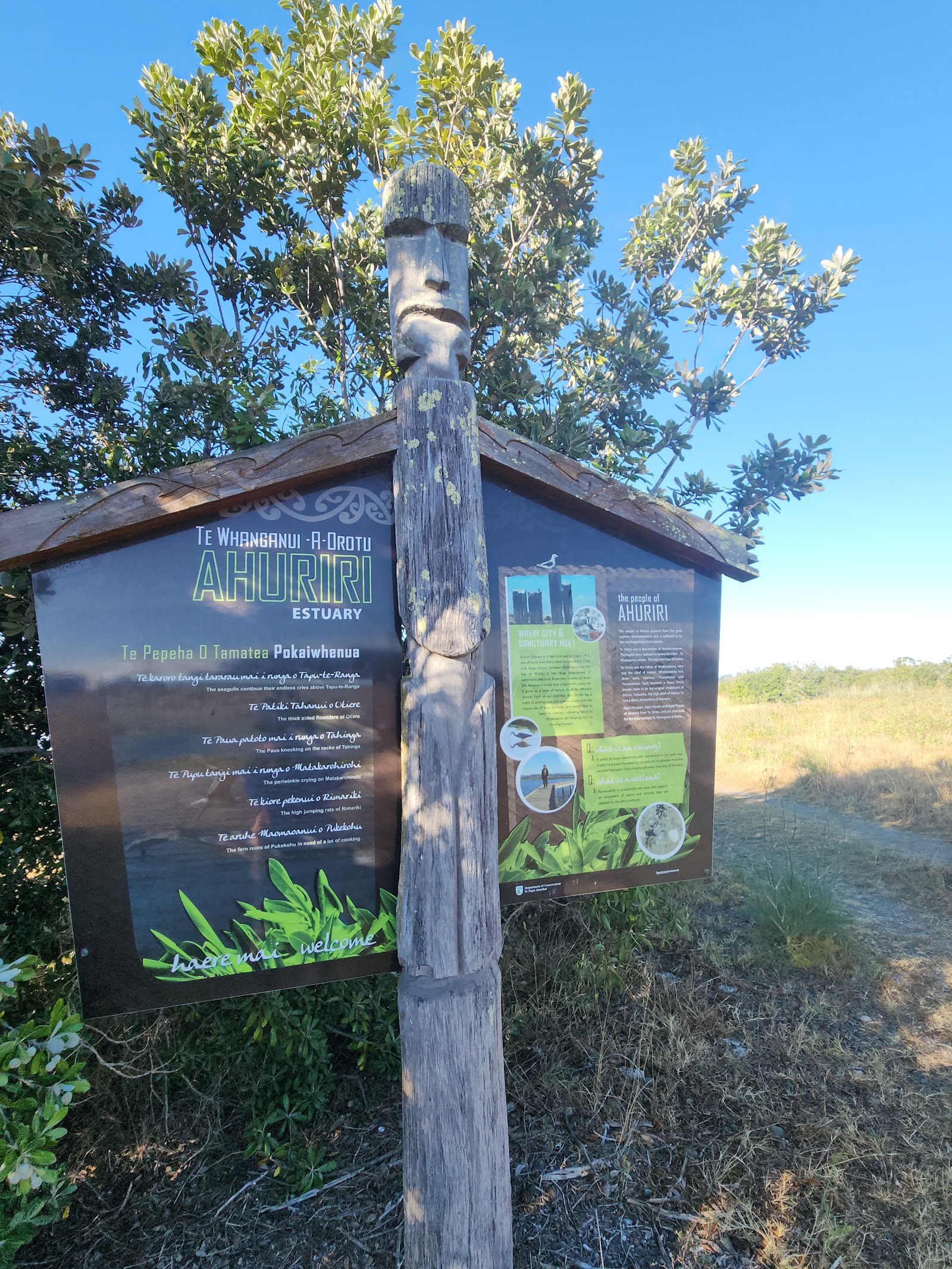
- On-site interpretation panels explaining the cultural story and archaeology of the landscape.
- Landscaped amenity surrounds leading directly to the start of the uphill track.
If you enjoy exploring gentle community parks and open spaces nearby, you might also consider spending an afternoon at Taradale's Dolbel Reserve or visiting the wetland trails at Ahuriri Estuary to round out a day outdoors in the Napier area.
Essential Visiting Tips and Site Etiquette
Because Ōtātara is both an active cultural landmark and a fragile archaeological site, visitors are asked to treat the entire 40-hectare landscape with mindfulness and care. Today, the reserve is managed through a close partnership between the Department of Conservation and Ngāti Pāarau of Waiohiki Marae, who serve as kaitiaki (guardians) of the pā.
To help protect the earthworks and honour the spiritual significance of the grounds, keep these essential guidelines in mind during your trip:
- No Dogs Allowed: Dogs are strictly prohibited on the reserve to protect conservation land.
- Stick to the Marked Paths: Avoid scrambling directly up the steep faces of defensive terraces and pit walls. Walking across earthworks accelerates erosion and damages ancient contours that have survived for centuries.
- Respect the Historic Remains: Ōtātara is a revered ancestral place. Treat the carved waharoa, interpretation features, and earthworks with care, leaving the landscape undisturbed.
- Carry Out Rubbish: Bring away all litter to ensure the environment remains clean for other walkers and local communities.
By approaching Ōtātara Pā with open curiosity and gentle footsteps, you will enjoy a memorable walk through Hawke's Bay's past, surrounded by unforgettable views stretching across land, mountains, and sea.
Cover photo: Te Mata Peak - Michael Schaefer
By Alyssa.
Sources and further information
- Ōtātara Pā Historic Reserve: Places to go in Hawke's Bay
- Ōtātara Pā Historic Reserve Walk — Easy track in Hawke’s Bay
Sources checked: 2026-10-24.