Destinations
A Practical Guide to Hawke's Bay Beaches: Swimming, Walks, and Coastal Escapes
Updated 26 October 2026
Hawke's Bay is well known for sunny weather, fertile plains, and open coastlines, but navigating its beaches requires practical local knowledge. The regional coastline spans energetic surf breaks, expansive tidal rock platforms, and long, wild sands. Whether you want a summer dip, an active trek beneath coastal bluffs, or a wander through tide pools, matching your day trip to the right stretch of shore makes all the difference.
Here is a grounded regional look at the standout shores across Hawke's Bay, distinguishing the best spots for swimming from sweeping coastal walks and protected marine sanctuaries.
Popular Surf and Swimming Shores
When looking for classic beach days with broad sands and active water sports, two destinations south of Cape Kidnappers regularly top the list: Waimārama Beach and Ocean Beach (also known as Waipuka). Both sit within an easy 35-minute drive of Hastings, following scenic roads that wind past the trout-laden Tukituki River and neighbouring vineyards.
Waimārama Beach
Waimārama offers a long stretch of golden sand that draws beachgoers for swimming, surfing, and boogie boarding. Because it borders an established seaside settlement, it is particularly convenient for day-trippers and families. You will find classic Kiwi holiday baches dotted along the roads, a local shop for provisions, and a designated boat launching area. For visitors looking for surf alongside handy amenities, it remains one of the region's favourite hubs.
Ocean Beach (Waipuka)
Just north along the coastline, Ocean Beach presents a slightly wilder, relatively undeveloped atmosphere compared to Waimārama. It features identical golden sands and reliable swell for surfing and boogie boarding, but with far fewer buildings along the dunes. It is beloved by both surfers and families who prefer open space over settlement infrastructure.
Because Ocean Beach is accessed via land cared for by private owners and local authorities, specific guidelines protect its natural character. Motor vehicle access directly onto the beach is prohibited to safeguard fragile sand dunes and coastal wildlife habitats. Vehicle traffic is restricted to designated parking and reserve areas, meaning beach entry is pedestrian-only. Additionally, access gates restricting vehicles to the car park close nightly between 8:00 pm and 6:00 am, an important detail to keep in mind when planning an evening trip.
Scenic Coastal Walks and Ocean Panoramas
Beyond relaxing on the sand, Hawke's Bay offers dramatic walking routes where the open ocean meets rolling coastal terrain. Ocean Beach serves as the starting point for two prominent seaside rambles:
- Ocean Beach to Waimārama (Southward Walk): Covering 7.5 kilometres one way along the shoreline, this trek connects the two coastal settlements. Walking it return takes approximately 4.5 hours. It is essential to check tide timetables before departing, as high tides can cut off dry access along sections of the beach. Always let someone know where you are walking before setting out.
- Ocean Beach to Whakapau Bluff (Northward Walk): Heading north toward Cape Kidnappers, this route covers 8 kilometres one way and requires around 4.5 hours return across open sand and rugged margins. The walk terminates at Whakapau Bluff, an impressive coastal headland that blocks easy walking further north toward the cape.
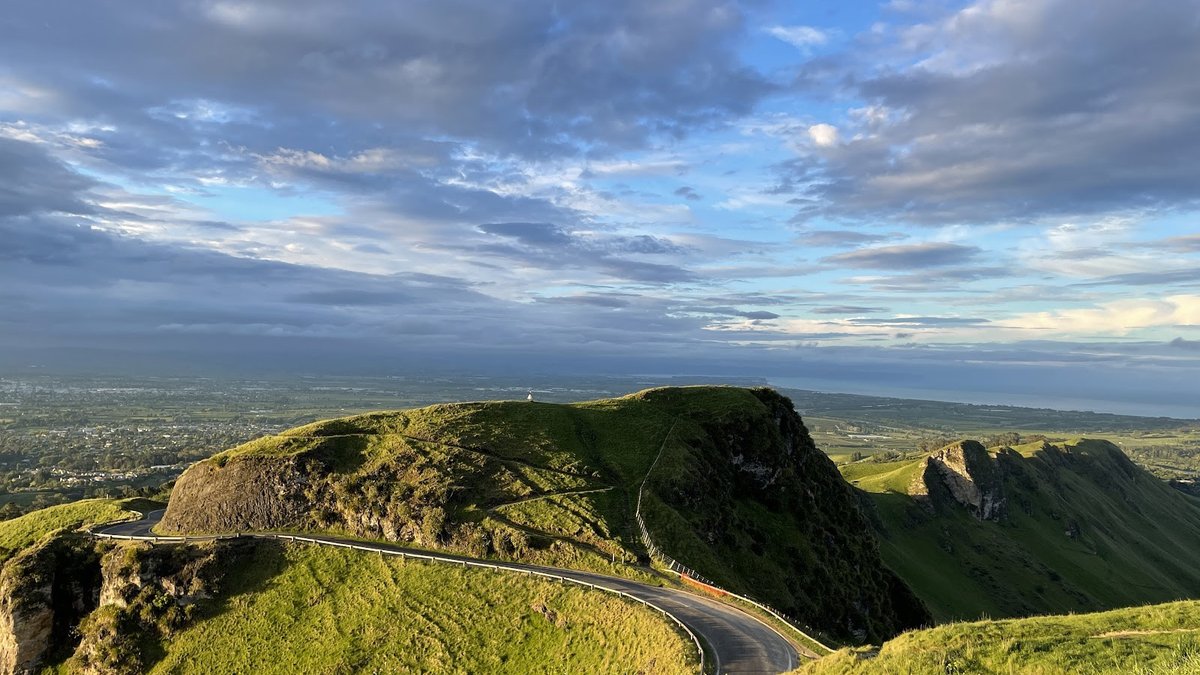
If you prefer ocean views without traversing coastal flats, elevated viewing points like Te Mata Peak provide an extraordinary aerial panorama overlooking the wider Hawke's Bay coastline and the Cape Kidnappers peninsula.
Marine Life and Rock Pools: Te Angiangi Marine Reserve
For visitors whose ideal coastal day involves exploring tidal sealife rather than paddling out into breaking surf, Te Angiangi Marine Reserve is an exceptional destination in Central Hawke's Bay. Covering 446 hectares between Aramoana and Blackhead, this marine reserve was established in 1997 to protect a rich coastal ecosystem.
The centerpiece of Te Angiangi is an expansive, broad mudstone platform revealed at low tide. Walking across the platform exposes vibrant rock pools inhabited by wandering anemones, octopus, crayfish, and rock lobsters, alongside migratory wading birds feeding along the edges. The offshore environment sits at the meeting point of the warm East Cape current and the colder South Wairarapa current, creating a rare setting where northern and southern marine species coexist.
To explore Te Angiangi Marine Reserve responsibly, keep these critical guidelines in mind:
- Total Protection: All plant and animal life, alive or dead, is completely protected. No fishing, seaweed harvesting, or shellfish gathering is permitted within the 446-hectare reserve.
- Gentle Rock Pool Etiquette: When exploring rock pools, always return any turned rocks to their original position to protect sheltering creatures.
- Protect Plant Beds: Avoid walking across eelgrass beds, as trampling destroys the plants and causes trapped sand to wash away.
- Access: Te Angiangi is reached via a 30-minute drive from either Waipawa or Waipukurau off State Highway 2, taking rural roads out to Aramoana or Blackhead.
Water Safety, Clarity, and Council Health Guidelines
Hawke's Bay waters are rewarding, but ocean conditions demand respect. Whether you are swimming along an exposed surf beach or visiting an estuary, regional guidelines help keep your outing safe.
Surf Lifesaving and Ocean Patrols
Care is required whenever entering the water on Hawke's Bay's open coast. Strong currents, undertows, and shifting shore breaks are common along exposed beaches. During summer holidays, surf lifesaving patrols operate at select regional beaches: Ocean Beach and Waimārama in Hastings, alongside Westshore Beach and Marine Parade in Napier. When swimming at these locations, always check with on-duty lifeguards regarding conditions and remain between the patrol flags.
Water Clarity and Rain Runoff
The Hawke's Bay Regional Council monitors coastal and freshwater recreational sites, publishing guidance to help swimmers avoid waterborne contamination:
- Wait After Rain: Following heavy rain, stormwater washes debris and pollution from urban and rural catchments into waterways. Council advises waiting 2 to 3 days after heavy rainfall before swimming, even at beaches with generally high water quality.
- The "Rule of Toes": For a practical clarity test, stand knee-deep in the water. If you cannot see your toes, water clarity is poor, and swimming is best postponed.
- Stream Discharges: Take care near stream outlets flowing across the sand. Waipuka Stream at Ocean Beach and Puhokio Stream near Waimārama frequently show elevated bacteria levels. Permanent warning signs advise against swimming or playing in these stream mouths.
Sun Protection
Hawke's Bay is known for high summer sunshine, but ultraviolet rays can be fierce. Midday burn times can be as short as 10 minutes during summer. Generous applications of sunblock, broad-brimmed hats, and protective clothing are vital for enjoying the coast safely.
Cover photo: Te Mata Peak - Wendy Peng
By Alyssa.
Sources and further information
- Te Angiangi Marine Reserve: Places to go in Hawke's Bay
- Swimming | Hawke's Bay Regional Council
- Beaches | Hastings District Council
- Ocean Beach | Hastings District Council
Sources checked: 2026-10-19.