Outdoor Activities
Clifton to Cape Kidnappers Coastal Walk: Tide Planning and Route Guide
Updated 22 October 2026
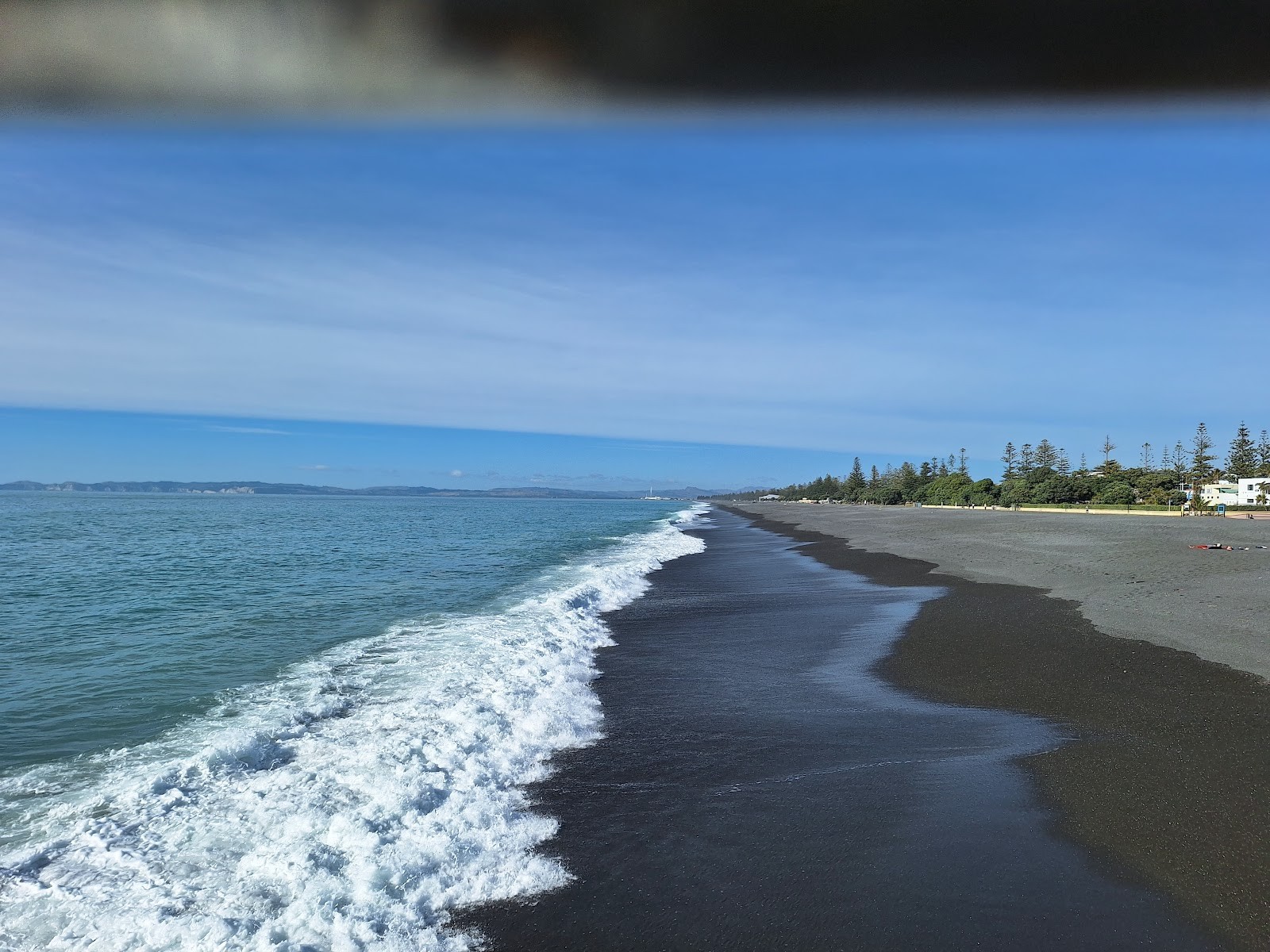
Stretching along the dramatic coastline of Hawke's Bay, the beach route from Clifton to Cape Kidnappers / Te Kauwae-a-Māui is one of the region's most striking day journeys. It leads to world-renowned Australasian gannet colonies perched on sheer bluffs. However, this is far from an ordinary beach stroll. It is a serious, remote coastal tramp directly beneath towering, active cliffs and bordered by open ocean.
Because the route is completely washed by the sea at high water, planning the journey around the tides is not just a recommendation—it is essential to completing the walk safely. If you are preparing to tackle the trek on foot, here is what you need to know about departure timing, track demands, cliff stability, and seasonal closures.
Understanding the Tide Window
The entire beach section between Clifton and the headland can only be completed around low tide. When the sea rises, high tides and rough swells push directly against the foot of the cliffs, cutting off passage entirely and eliminating any escape routes. Planning your day around accurate tide timetables for the area is vital before setting foot on the sand.
The Department of Conservation (DOC) sets out clear, strict tidal windows for this walk:
- Departing Clifton for the Cape: Start your walk at least 2 hours and 30 minutes before low tide.
- Departing Cape Kidnappers for Clifton: Begin your return journey no later than 1 hour and 30 minutes after low tide.
Adhering to this window gives you sufficient beach margin while the water is receding and allows you to make the return trip before the incoming tide cuts off the base of the cliffs. Because local conditions vary, always check specific, current tide tables for the area before you set out. Never rely on general estimates, and if big seas or stormy conditions are forecast, do not attempt the walk, as heavy surf can swallow the beach even during lower water levels.
Route Overview: Clifton to the Gannet Colonies
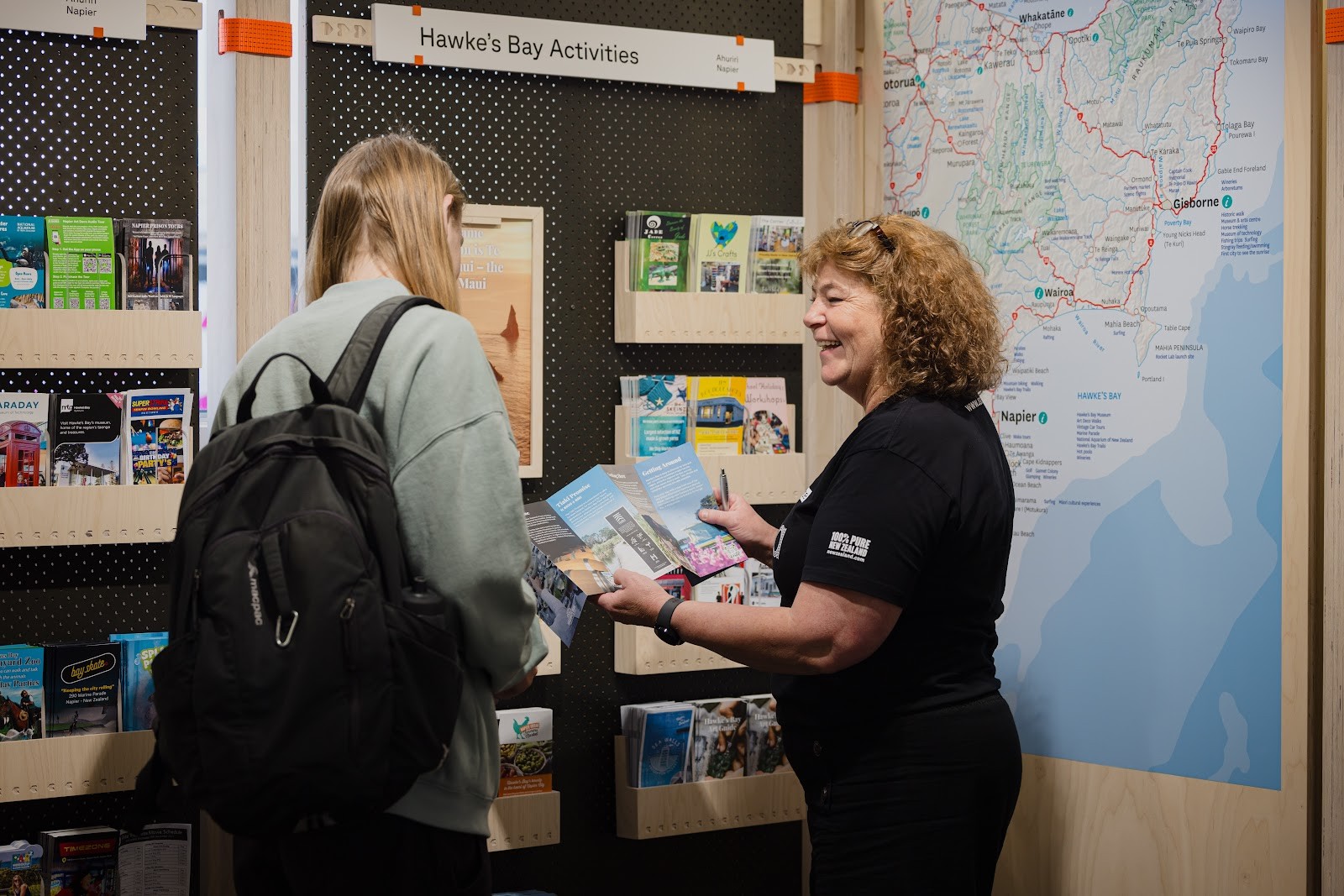
The trail begins at Clifton, located approximately 21 kilometres south of Napier and 18 kilometres east of Hastings. For local advice, regional transport tips, and seasonal updates before departing, you can drop into the Napier isite Visitor Information Centre.
In total, the full return walk covers approximately 19 kilometres and generally takes between 4 and 5 hours of sustained movement. The beach surface consists of loose sand, shingle, and rounded pebbles, which makes footing demanding and physically tiring over long distances.
As you make your way along the coast, the route unfolds in two primary sections:
- Clifton to Black Reef (7.5 km): The initial leg follows the beach beneath the bluffs until you reach Black Reef, which marks the first gannet nesting site. Basic public toilet facilities are available in this area.
- The Plateau Colony Ascent (1 km): Beyond Black Reef, reaching the main plateau colony requires leaving the beach and taking a steep, rough 1-kilometre climb up to a benched viewing area on the hill near the lighthouse. This section climbs roughly 100 metres in elevation and can be very slippery and muddy after rain. A second set of basic toilets is situated near the top colony. Note that there are no toilet facilities along the 7.5 km beach stretch itself.
Essential Safety: Cliff Hazards and Landslides
While managing the tides is the most predictable challenge, the geology of the coastline presents a less predictable and very serious risk: rockfalls and landslides. The towering cliffs flanking the route are composed of soft, fragile rock formations that are prone to sudden erosion and collapse.
The risk of rockfalls along this shoreline is real and ongoing. In January 2019, a massive slip seriously injured two visitors, and a subsequent major landslide in February 2020 forced a temporary closure of the entire beach. Many slips happen without any warning or obvious trigger, though rain and seismic activity certainly elevate the danger. Temporary orange barrier fencing has been placed in areas along the route to manage steep drops caused by coastal erosion.
Walkers who choose this beach route accept this natural risk and must take specific precautions:
- Keep your distance: Walk as close to the water's edge as safe sea conditions permit, staying as far out from the base of the bluffs as possible.
- Do not linger: Spend as little time on the beach corridor as possible. Do not stop to rest, picnic, or unpack gear directly beneath the cliff face.
- Never climb: Do not attempt to scramble up or climb the unstable cliff walls under any circumstances.
- Tsunami awareness: This coastal zone is exposed to tsunami hazards. If you receive an official alert or hear a warning siren, move immediately to higher ground inland and remain clear of the coast until given the all-clear.
Seasonal Timing and Gannet Life Cycle
If your primary motivation is to see the gannet colonies in full swing, your visit needs to align with the birds' breeding calendar. Australasian gannets arrive to nest between mid-September and mid-December. The chicks begin hatching around early November, maturing through the summer months before migrating across the Tasman Sea by May.
The optimal seasonal window to undertake the coastal walk is between early November and late February. Importantly, the DOC track leading from the beach up to the plateau colony is closed annually from July until the week before Labour Weekend. This winter-to-spring closure prevents disturbance while the birds re-establish their nesting territory.
Preparation and Tramping Essentials
Because the DOC track at the end of the beach is tramping standard and the beach itself is fully exposed to sun, wind, and salt spray, you must carry adequate gear. There is no drinking water available along the route or at the cape.
Ensure your day pack includes:
- Sturdy footwear with good grip, such as tramping boots, capable of handling loose shingle and muddy uphill tracks.
- Plenty of fresh drinking water and energy-dense food.
- A quality waterproof and windproof jacket, along with warm, layered clothing, a hat, and gloves to counter sudden coastal weather shifts.
- Sun protection, including high-SPF sunscreen and sunglasses, as the beach provides zero shade.
- A reliable communication device and a head torch in case unforeseen delays arise.
By watching the forecast, respecting the tight tidal window, and giving the fragile cliffs plenty of space, you can experience one of Hawke's Bay's most remarkable wildlife landscapes responsibly and safely.
Cover photo: Napier isite Visitor Information Centre - Olga de Bruine
By Alyssa.
Sources and further information
- Cape Kidnappers/Te Kauwae-a-Māui Route: Cape Kidnappers
- Cape Kidnappers Gannet Colony Access – sanctuary.org.nz
Sources checked: 2026-10-22.