Attractions
Visiting Cape Sanctuary Hawke's Bay: Guided Tours, Conservation Projects, and Wildlife Access
Updated 13 November 2026
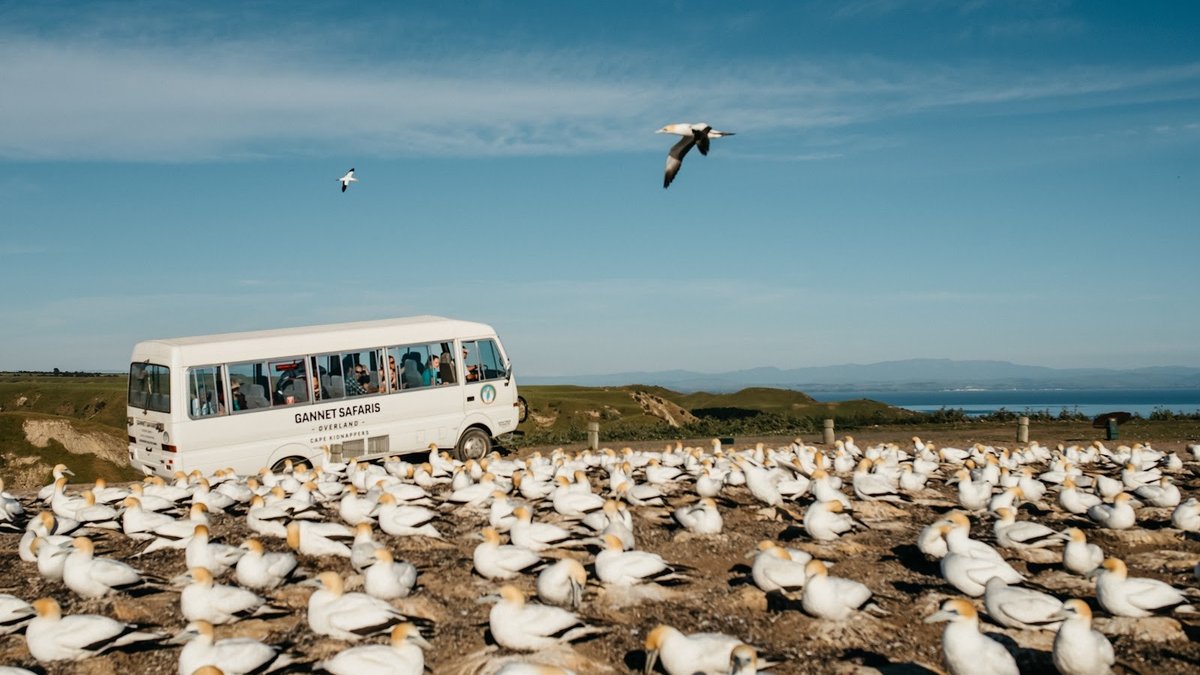
Tucked along the rugged coastline of the Cape Kidnappers peninsula, Cape Sanctuary in Hawke's Bay stands as one of New Zealand's most ambitious ecological restoration initiatives. Stretching across roughly 2,500 hectares of diverse coastal hills, rolling pastures, sea cliffs, and dunes, the sanctuary provides a vital refuge for native species that had vanished from the local landscape. Because the sanctuary operates across privately owned land and working rural country, entering this special haven requires joining an authorised guided experience. Whether you are traveling down from Napier, driving across from Hastings, or exploring the wider wine country, understanding the conservation story and tour arrangements will ensure you get the most out of your visit.
The Vision Behind Cape Sanctuary
To truly appreciate what you see across the hills today, it helps to look back at how the initiative began. The project was initiated in 2004 by local landowner Andy Lowe, who recognised both the ecological richness that the Cape Kidnappers area once possessed and the urgent need to reverse centuries of environmental loss. Rather than setting aside land as an untouched reserve separated from human activity, the goal was to craft a privately funded mainland island sanctuary embedded directly within a mixed-use landscape.
By bringing together conservation specialists, mana whenua, passionate landowners, and volunteers, the project embarked on an expansive, multi-century restoration vision. Working on such a vast canvas presented substantial logistical challenges, requiring intensive predator management alongside continuous habitat rebuilding. Over the past two decades, this collaborative drive has transformed depleted hillsides into thriving coastal forest and scrubland, demonstrating how private initiative and community collaboration can restore an entire regional ecosystem.
The 10.6-Kilometre Predator-Proof Fence
A cornerstone of the sanctuary's success is its formidable physical barrier. Spanning 10.6 kilometres across the base of the peninsula, a state-of-the-art predator-proof fence seals off the peninsula, cutting off invasive mammalian predators from the mainland. This perimeter creates a protected zone covering 2,500 hectares of Hawke's Bay coastline where vulnerable ground birds, native reptiles, and invertebrates can nest and forage safely.
Building and maintaining a fence across undulating coastal terrain requires non-stop vigilance. Trapping networks, fence monitoring, and biosecurity protocols operate continuously to detect any unwanted incursions. For visitors touring the perimeter, standing before this barrier provides an eye-opening perspective on what mainland island conservation requires. The fence acts as a tangible boundary between conventional land and a flourishing pocket of ecological restoration, making it possible for species that have suffered catastrophic declines across New Zealand to thrive once more.
Restoration, Reforestation, and Native Nurseries
Eradicating predators is only one side of the ecological coin; wildlife also requires nourishing forest canopies, sheltering understories, and healthy coastal sands. A massive replanting campaign has reshaped the landscape, with well over one million native trees planted across the peninsula since the sanctuary's inception.
Much of this green transformation begins at Cape Sanctuary's dedicated native plant nursery. Here, more than 40,000 native trees and coastal shrubs are propagated every year from seeds collected locally. Dedicated volunteers care for these seedlings through their tender stages, ensuring they are genetically suited to withstand the salt-laden winds and maritime climate of Hawke's Bay. These young plants are eventually bedded into regenerating hillsides, coastal stream gullies, and stabilized sand dunes. Over time, the replanted areas create contiguous corridors of native flora, establishing food sources and nesting habitats essential for returning fauna.
Public Guided Tours with Gannet Safaris Overland
For independent travellers wishing to explore inside the predator-proof fence, Cape Sanctuary offers dedicated guided three-hour public tours delivered in partnership with Gannet Safaris Overland. This official collaboration, forged in 2023, paired the sanctuary's ecological vision with one of the region's most experienced overland touring operators, opening conservation access to the wider public.
These guided excursions transport visitors across the Ocean Beach Wilderness area aboard sturdy off-road vehicles capable of safely navigating the sanctuary's rugged coastal tracks. Travelling through this dynamic environment, guides share detailed historical insights into the humble beginnings of the reserve, ongoing conservation field work, and long-term milestones. Highlights of the standard itinerary include:
- Starting at the extensive native plant nursery to witness propagation from locally gathered seeds and learn about coastal revegetation efforts.
- Travelling through the Ocean Beach Wilderness area in off-road vehicles to view diverse native habitats up close.
- Stopping along the route to feed endangered native birds, including takahē and bright kākāriki.
- Pausing for morning tea at a boutique hut offering panoramic vistas over regenerating native forest, active farmland, and rolling coastal sand dunes.
- Venturing to a pest-free enclosed site perched high atop the Ocean Beach cliffs to learn about the specialist seabird restoration project.
- Spotting unique endemic fauna such as ancient tuatara, giant wētā, takahē, tūī, and kākāriki within secure sanctuary habitats.
Because these public tours travel in small groups to protect sensitive wildlife habitats and provide an intimate learning experience, spaces are strictly limited. Reserving well in advance through official tour channels ensures you secure departure dates that match your Hawke's Bay itinerary.
Mates Travel Cape Sanctuary Discovery Tour
Another compelling way to see the restoration work is on the Cape Sanctuary Discovery Tour operated by Mates Travel. This guided experience takes visitors on an in-depth exploration that bridges ecological restoration with rich local history and cultural heritage.
The journey commences with an introduction to the native plant nursery, showing visitors how tens of thousands of seedlings are cultivated each year by dedicated hands. From there, the tour travels to the predator-proof fence and looks out across the restored coastal sand dunes and recovering bush. Guests pause at a secluded forest lodge for morning tea, admiring sweeping coastal vistas while keeping a watchful eye out for curious takahē that occasionally wander near the deck.
Following refreshments, an expert guide leads guests on an interpretive walk through regenerating native bush, detailing the planting strategies behind the 1.2 million trees flourishing across the property. The tour concludes on a deeply meaningful note at an ancient Māori pā site where fortified village homes once stood. Here stands a carved pō commemorating Paratene Te Huia, a revered kaumātua who served as Cape Sanctuary's initial cultural liaison, illustrating how modern conservation is rooted in ancient connections to the land.
Exclusive Lodging Experiences: Craggy Range and Rosewood
Visitors staying at premier local lodges can take advantage of private, bespoke excursions into Cape Sanctuary that are woven into their accommodation packages.
Craggy Range x Cape Sanctuary Private Tour
Craggy Range offers an exclusive Can-Am and 4WD private safari reserved entirely for its overnight guests. Tailored for intimate groups of up to five passengers per vehicle, the tour explores diverse habitats across Waipukā and Ocean Beach, traversing regenerating native forest, towering clifftops, restored sand dunes, and archaeological pā sites.
This curated experience runs in two sessions: a morning departure from 9:00am to 12:30pm or an afternoon outing from 1:00pm to 4:30pm. Guests are treated to morning or afternoon tea sourced from nearby Red Bridge Coffee, alongside hot drinks at a secluded sanctuary hut. Transportation between Craggy Range and the sanctuary gates can be arranged upon request. Upon returning to the luxury of the winery estate, guests are welcomed with a gourmet regional platter and a bottle of Craggy Range wine to toast their day of discovery.
Rosewood Cape Kidnappers Experiences
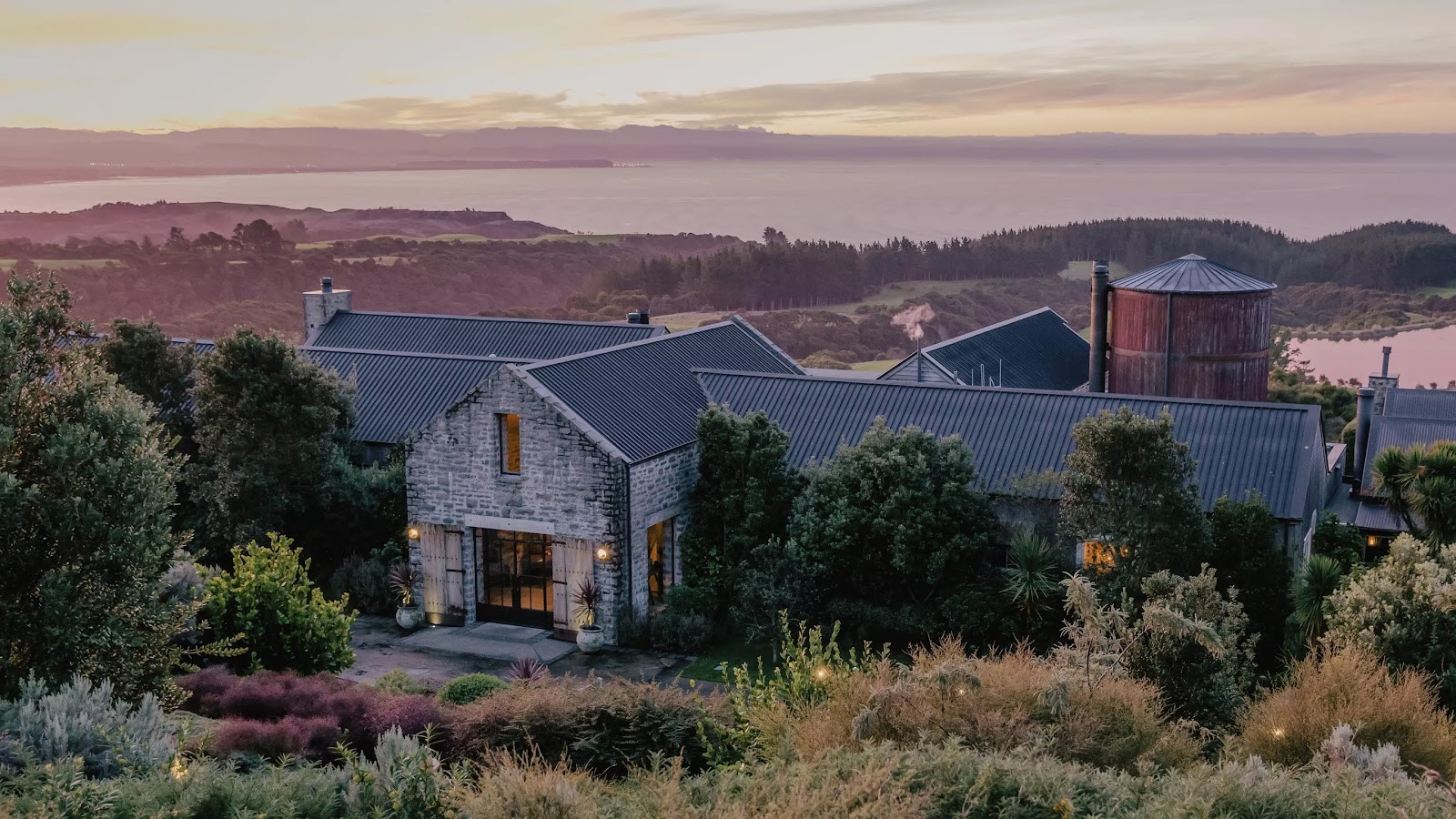
Guests staying at the luxury lodge at Rosewood Cape Kidnappers enjoy direct proximity to the peninsula's coastal landscape and have access to dedicated on-site sanctuary tours:
- Cape Sanctuary Tour: A daytime guided outing focusing on wildlife encounters and the narrative of turning windswept grazing slopes into lush coastal canopies.
- Cape Sanctuary Night Tour: A specialised nocturnal adventure where guests journey through the forest under the stars, taking in sparkling displays of native glowworms and quietly searching the darkness for wild kiwi active in their natural habitat.
Native Wildlife of Cape Sanctuary
Prior to human arrival, the peninsula was a vibrant, biodiverse haven, hosting burrowing seabirds along towering coastal bluffs, diverse forest birds beneath thick native forest canopies, and shorebirds traversing shifting coastal sand dunes. Centuries of mammalian predation and habitat clearance stripped these natural environments bare, leaving the landscape depleted. Since 2006, the sanctuary team has made a committed pact to bring native birds and other endemic species back.
Through careful scientific planning, intensive pest trapping, and monitored habitat restoration, 23 locally extinct wildlife species have been successfully reintroduced to the Cape Kidnappers peninsula. In addition, an ambitious plan aims to translocate a further 11 species in the coming years. During guided tours, visitors have opportunities to learn about and spot an extraordinary array of native fauna:
| Species | Conservation Context & Sighting Opportunities |
|---|---|
| Takahē | One of New Zealand's rarest flightless rail birds. Visitors often encounter them near sanctuary lodges, along wilderness tracks, and during dedicated feeding stops. |
| Kākāriki | Lively native parakeets reintroduced to regenerating forest canopies; frequently seen flying overhead or during feeding interactions along tour routes. |
| Tuatara | Ancient endemic reptiles thriving within secure pest-free enclosed habitats on the peninsula after being absent from the mainland for generations. |
| Giant Wētā | Protected within specialized mainland enclosure sites safe from predatory rodents, showcasing New Zealand's unique prehistoric invertebrate heritage. |
| Kiwi | Flourishing across the regenerating coastal bush, where they are protected from mammalian pests; observed by guests on specialised nocturnal guided walks. |
| Burrowing Seabirds | Subject to an innovative cliff-top restoration project overlooking Ocean Beach, designed to bring breeding colonies back to mainland Hawke's Bay bluffs. |
Seeing these species thrive alongside one another provides a rare window into what mainland New Zealand resembled before the introduction of invasive predators.
Planning Your Visit from Napier and Hastings
Because Cape Sanctuary is a working conservation area protected behind security gates, turning up without a confirmed reservation is not permitted. Independent, self-guided walking or driving through the sanctuary interior is prohibited to preserve sensitive breeding areas and biosecurity integrity.
When preparing for your tour from Napier or Hastings, keep these practical points in mind:
- Confirm Tour Bookings Early: Spaces on the Gannet Safaris Overland tour, the Mates Travel Discovery Tour, or private lodge safaris are intentionally kept small to minimise environmental disturbance. Book well ahead of your travel dates.
- Dress for Changing Weather: Hawke's Bay's maritime peninsula is known for swift weather changes. Bring windproof outerwear, warm layers, sturdy closed-toe walking shoes, sun protection, and a refillable water bottle.
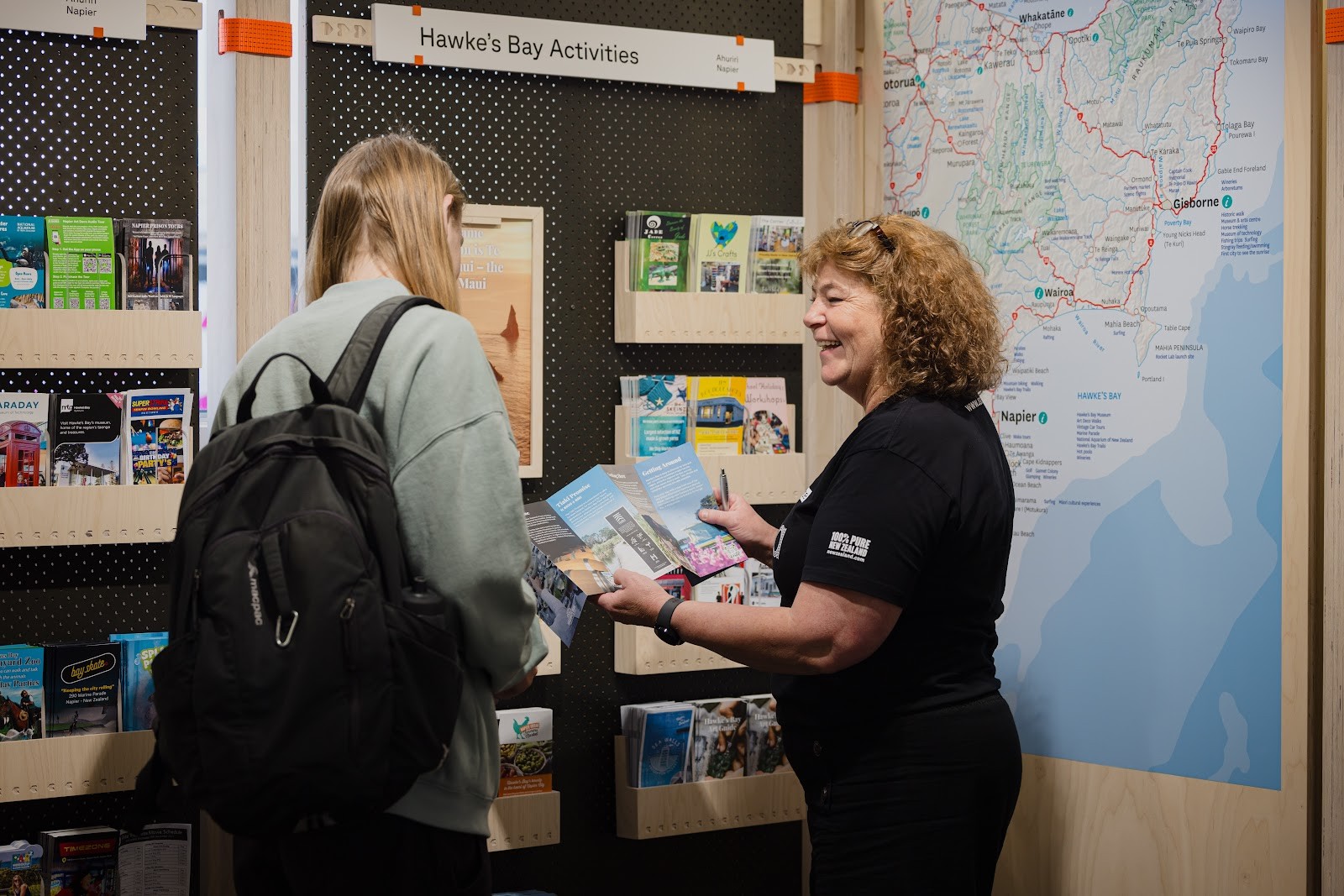
- Gather Area Advice: If you are planning an itinerary across the wider region, stop by the Napier isite Visitor Information Centre on Marine Parade. The team can assist with regional travel questions and help you coordinate connecting adventures across the district.
Complementing Your Wildlife Experience
Spending a morning or afternoon exploring Cape Sanctuary leaves plenty of daylight to discover other natural and cultural treasures around Hawke's Bay. Bird enthusiasts and landscape photographers can head north of Napier to explore the tranquil coastal lagoons and mudflats at Westshore Wildlife Reserve, an important haven for estuarine wading birds and seasonal waterfowl.
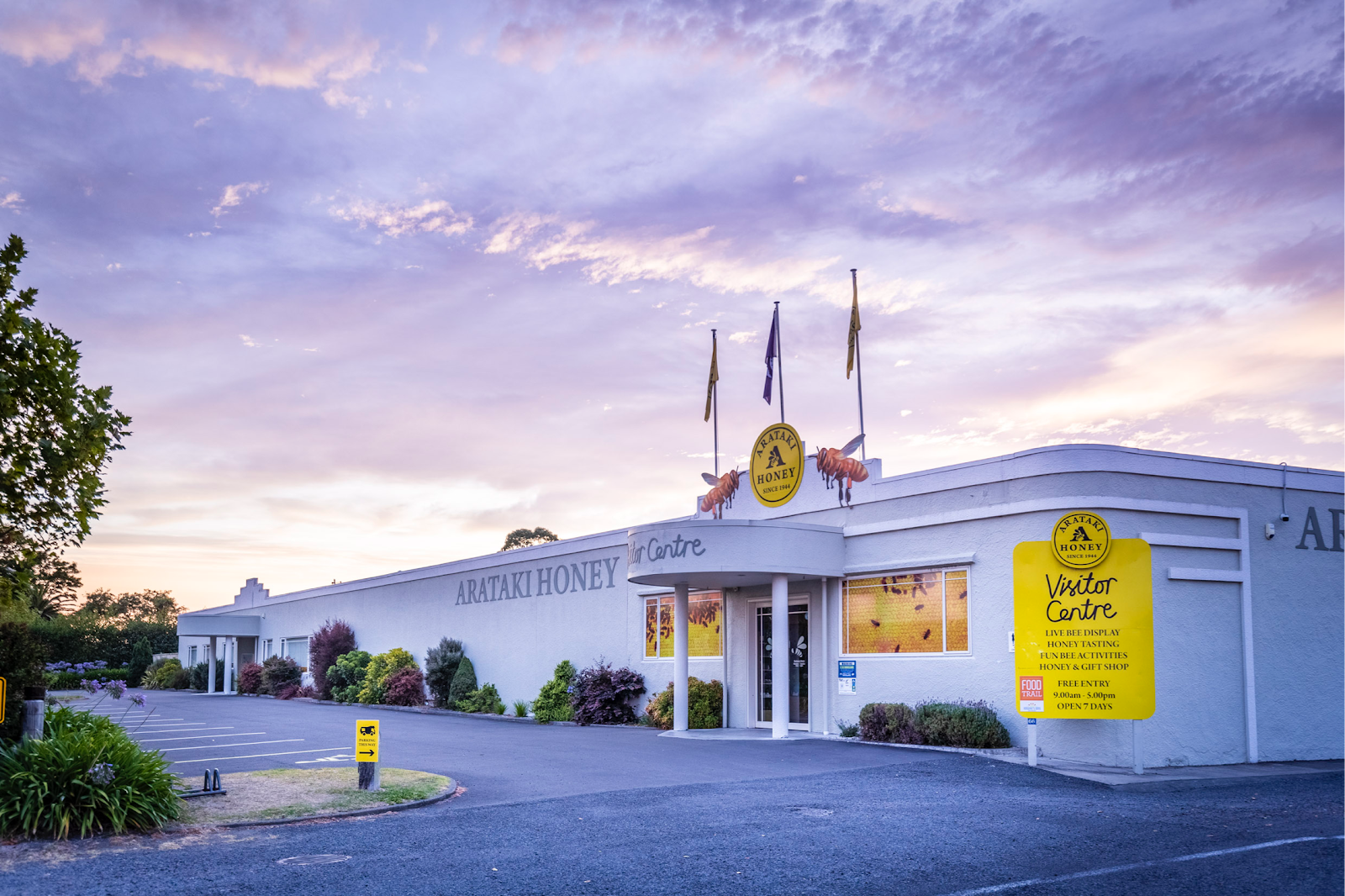
If you enjoy exploring at your own pace on two wheels, the extensive network of the Hawke's Bay Trails links coastal pathways, picturesque river stops, and leading cellars across Hastings, Havelock North, and Napier. You can also dive into the fascinating world of pollinators by visiting the Arataki Honey Visitor Centre near Havelock North, learning about honeybee biology and regional honey production.
For those passionate about nature and ecological restoration, stepping into Cape Sanctuary offers an inspiring window into New Zealand's biodiversity future. Seeing vulnerable takahē roaming safely, hearing kākāriki calling through young native forests, and learning about the dedicated people protecting this peninsula makes a visit to Cape Sanctuary an unforgettable highlight of any Hawke's Bay journey.
Cover photo: Gannet Safaris Overland - Gannet Safaris Overland Ltd
By Alyssa.
Sources and further information
- Tours — Cape Sanctuary
- Species — Cape Sanctuary
- Experiences | Rosewood Cape Kidnappers
- Cape Sanctuary Discovery Tour Hawke's Bay Mates Travel
- Cape Sanctuary Experience – Craggy Range
Sources checked: 2026-11-13.