Things To Do
Visiting Cape Kidnappers Gannet Colony: Overland Tours, Beach Walking, and Access Guide
Updated 25 October 2026
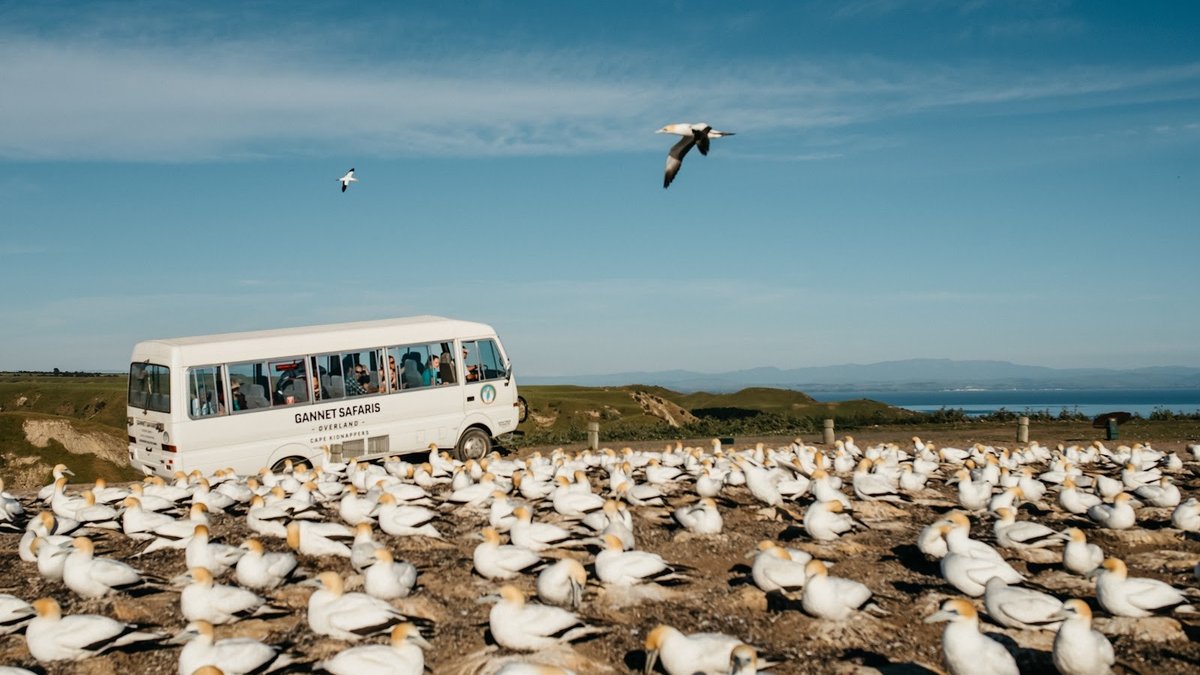
Few wildlife spectacles in Hawke’s Bay rival the dramatic headland of Cape Kidnappers, known in Māori tradition as Te Kauwae-a-Māui. Extending outward into the open Pacific Ocean, this sweeping promontory hosts roughly 6,500 pairs of Australasian gannets (tākapu). That population makes it the largest and most accessible mainland nesting colony in the world. Whether you are traveling from elsewhere in New Zealand or planning a local weekend escape, seeing thousands of these remarkable seabirds against sheer coastal cliffs is a truly memorable encounter.
Planning a trip to the cape, however, requires careful preparation. Accessing the headland is not simply a matter of driving to a carpark or taking a casual stroll along the shore. Visiting involves private property, strict tidal windows, and dynamic coastal terrain. If you are wondering how best to visit the colony and whether independent access is practical, this guide details commercial overland tours, walking rules, seasonal timings, and essential safety requirements.
Understanding Cape Kidnappers: What and Where Is It?
Cape Kidnappers forms the distinctive southern hook of Hawke Bay, situated past the coastal communities of Haumoana, Te Awanga, and Clifton. The peninsula features towering, fragile cliffs carved from sandstone, mudstone, and river gravels. The primary nesting grounds, including the elevated Plateau colony, sit on high ground surrounded by protected reserve and private station land.
The birds themselves are extraordinary ocean navigators. Australasian gannets have nested at Cape Kidnappers since the 1870s. Once young chicks fledge at roughly 16 weeks old, they undertake an immense 2,800-kilometre migration across the Tasman Sea to Australia, returning to coastal New Zealand years later to breed. Observing their courtship rituals, preening, and acrobatic ocean dives is well worth the effort required to get there.
The Primary Guided Option: Overland Safaris
For travelers who prefer comfortable access without navigating beach tides or rockfall zones, an organized overland excursion is the standard choice. The Department of Conservation (DOC) highlights commercial overland travel across the private farm as a lower-risk option for reaching the Plateau colony without passing beneath the coastal cliffs.
Local operator Gannet Safaris Overland has provided this overland passage for over 50 years. Operating from their base in Te Awanga, their fleet of 4x4 vehicles travels directly through coastal scenery, working farmland, and native bush within New Zealand’s largest privately owned nature reserve. Because the journey takes the high ridges of the station rather than the shoreline, it avoids the coastal debris areas entirely.
They offer several tour formats to match different travel schedules, including Regular Tours, Sunrise Tours, Private Tours, and Cruise Ship Tours. The guided vehicle excursion brings visitors right to the top of the Plateau colony, providing close-up views of the nesting pairs alongside commentary on the area's natural history and local conservation work.
Can You Drive to Cape Kidnappers Yourself?
A common question from independent travelers is whether it is possible to drive a personal vehicle or four-wheel drive directly to the gannet colony. The short answer is no. You cannot drive your own vehicle to the cape.
The overland access routes cross private farmland and protected areas where unauthorized private vehicles are strictly prohibited. In addition, DOC regulations explicitly ban private motorbikes and vehicles from driving off the beach into the reserve boundaries. Commercial tour operations hold specific permission to traverse the private station, making guided safaris the sole vehicular option.
Can You Walk to the Gannet Colony?
It is possible to reach the Cape Kidnappers gannet colony independently on foot, but the trek demands good physical fitness, strict adherence to tide timetables, and an awareness of natural hazards.
The walking route begins from Scotsmans Point at Clifton. Public access to Clifton Beach remains open via the boat ramp at the end of Clifton Road. (The former Clifton Motor Camp closed permanently in July 2026 following geotechnical assessments that identified significant landslide risks, but public beach access via the boat ramp area continues.)
From the Clifton boat ramp, the return walk along the beach to the plateau access track covers substantial distance and requires at least 5 hours of walking. Tide planning is critical: departures from Clifton should occur no earlier than three hours after high tide, and walkers must leave the cape to return no later than 1.5 hours after low tide. High tides and heavy seas completely submerge the beach, blocking passage against the vertical cliffs.
Landslide Hazards and Coastal Walking Safety
Anyone undertaking the coastal walk must understand that approximately 7 kilometres of the route runs directly beneath cliffs subject to unpredictable landslides and rockfalls. DOC notes that the hazard level on this beach walk is comparable to risks faced during technical mountain climbing, with multiple serious injury events recorded in past decades.
If you choose to walk independently, keep these safety principles in mind:
- Keep clear of cliff faces: Never sit, rest, or picnic near the base of the cliffs. Maintain the maximum possible distance from the rock face across the shoreline.
- Never attempt the walk in adverse conditions: Heavy rainfall, earthquakes, and large swells significantly heighten rockfall activity. Hastings District Council temporarily closes beach access when conditions raise landslide hazards.
- Do not cross fresh slip debris: If you encounter a fresh rockfall blocking the beach, do not climb over the rubble. Turn back toward Clifton if the tide permits.
- Check official alerts beforehand: Always consult the DOC website for current track updates and confirm local tide timetables before departing Clifton.
Best Time of Year to Visit
While the coastal landscape is striking year-round, the gannets follow a defined breeding calendar. The best time for viewing the colony is between early November and late February.
Key seasonal milestones include:
- Mid-September to mid-December: Nesting begins as birds return to reclaim nesting sites and breed.
- Early November: The first chicks begin hatching across the colony.
- May: Fully fledged young gannets depart on their multi-year migration across the Tasman Sea.
Seasonal track closures are also strictly enforced: the walking track leading up from the beach to the Plateau colony is closed each year from July until the week before Labour Weekend to prevent disturbance to returning birds.
Reserve Rules and Etiquette
Cape Kidnappers is a sensitive wildlife habitat. When visiting the colony, all visitors must remain behind designated barriers and maintain a minimum distance of five metres from nesting birds. Loud noises and rapid movements should be avoided to prevent distressing the colony.
Furthermore, dogs, horses, fires, camping, and firearms are strictly prohibited across the reserve. Whether you choose the panoramic journey of an overland 4x4 safari or tackle the coastal beach walk within safe tide windows, respecting these conservation guidelines ensures this remarkable seabird sanctuary remains protected.
Cover photo: Gannet Safaris Overland - Gannet Safaris Overland Ltd
By Alyssa.
Sources and further information
- Gannet Safaris Overland
- Cape Kidnappers/Te Kauwae-a-Māui Gannet Reserve: Places to go in Hawke's Bay
- Clifton Beach | Hastings District Council
Sources checked: 2026-10-18.