Things To Do
Where to Go Stargazing in Hawke's Bay: Top Dark Sky Spots and Night Views
Updated 22 November 2026
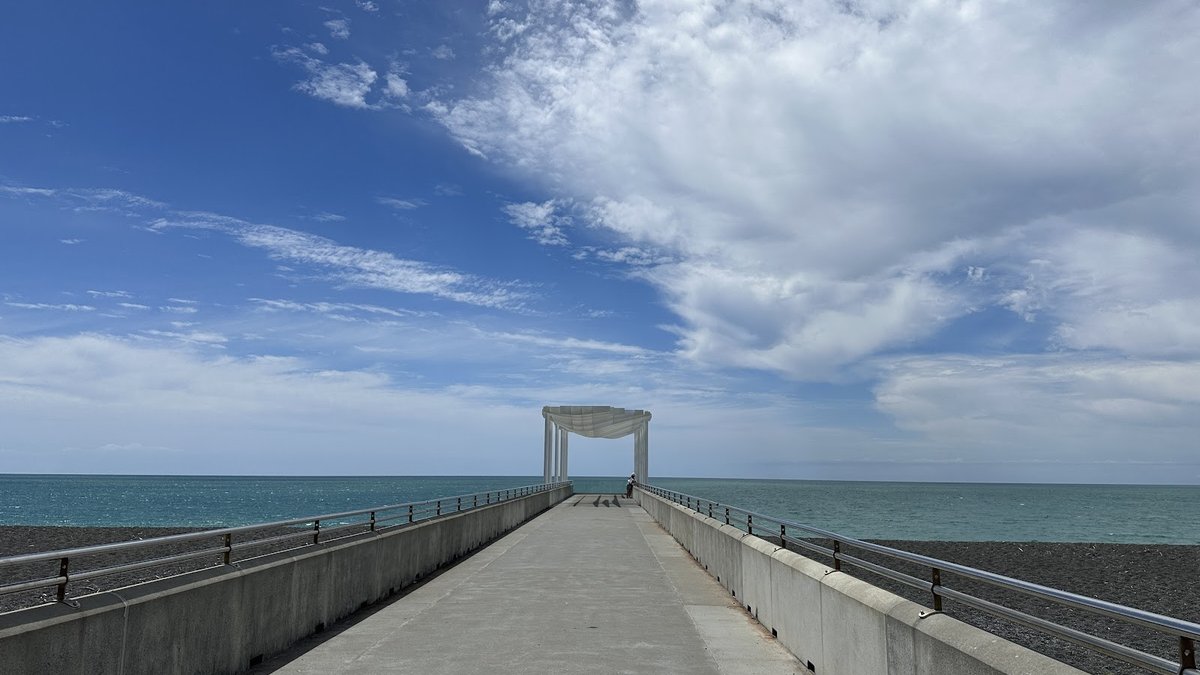
When the sun sets across the Pacific horizon and the shadows deepen over the rolling landscapes of eastern New Zealand, Hawke's Bay offers an expansive window into the southern cosmos. Finding quiet, dark locations where the glare of streetlamps recedes allows you to experience the rich celestial tapestry of the Southern Hemisphere. Whether your aim is to view the silver sweep of the Milky Way arching across open water, track the moon and distant planets through high-magnification eyepieces, or spend an evening exploring the night sky under an indoor dome, there are several vantage points and community gatherings across the region tailored to curious skywatchers. If you are planning an evening under the cosmos, here is a practical guide to the best locations, viewpoints, and organized activities for stargazing in Hawke's Bay and around Napier.
Urban and Coastal Vantages Along Napier's Shoreline
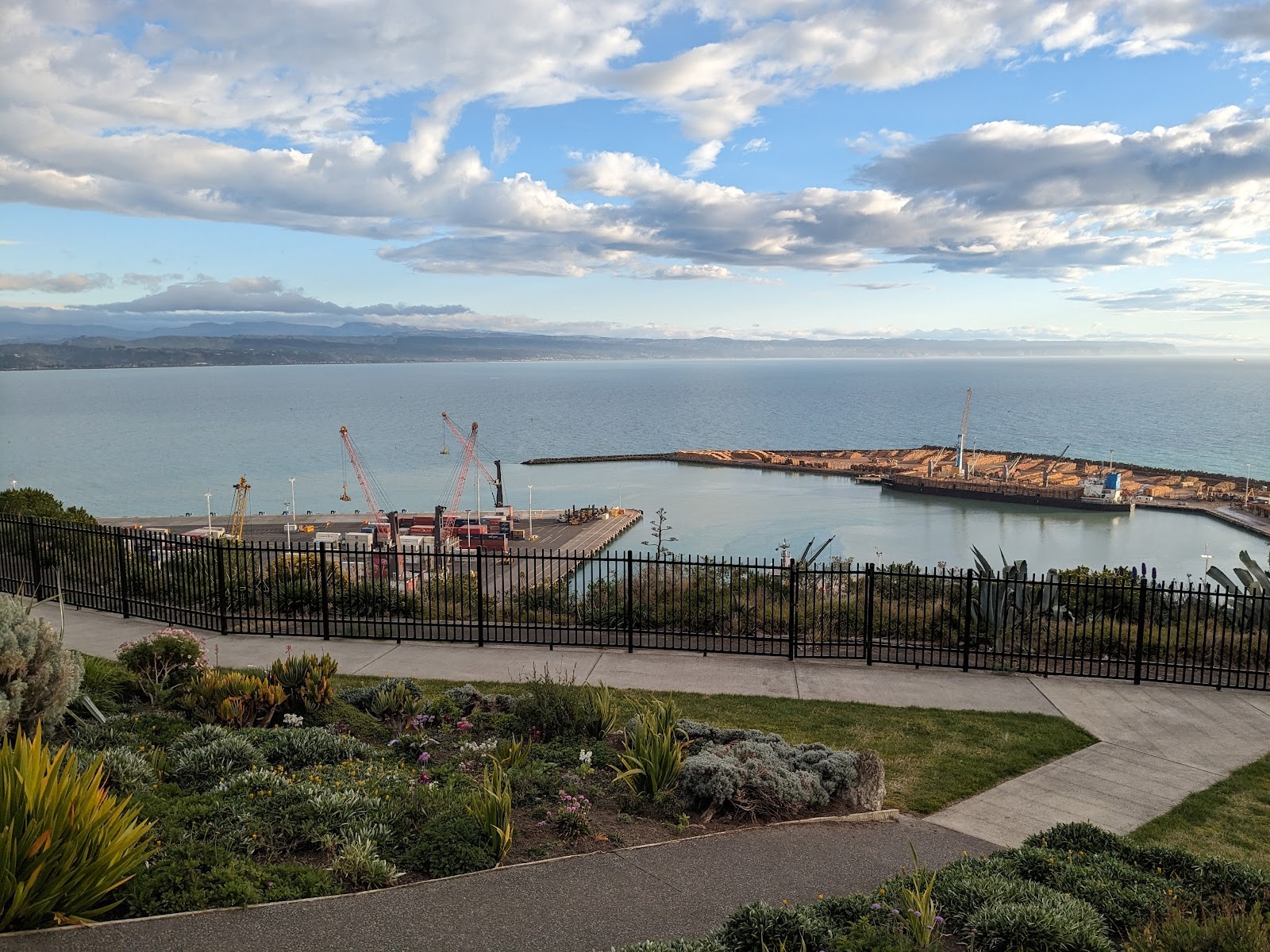
For visitors staying within Napier seeking immediate coastal perspectives without journeying deep into rural darkness, Hawke Bay's eastern coastline offers vast ocean horizons. Directing attention away from city lighting toward the open sea provides expansive views of rising constellations and bright planets across the dark water.
An accessible urban starting point is the Napier Viewing Platform, an observation deck positioned along Marine Parade at 60 Marine Parade near Bluff Hill. Overlooking the shoreline directly, this raised platform lifts observers above beach level, making it a convenient paved spot for watching moonrises, spotting twilight planetary alignments, or trying out binoculars over the sea.
Further north, the historic Bluff Hill Lookout at 50 Lighthouse Road provides another elevated maritime vantage point. Once the site of an artillery battery, this lookout offers sweeping views of the ocean across the bay, lifting observers well above sea-level road networks to watch open seaward skies.
Escaping Light Pollution: Historic Reserves and Rural Basins
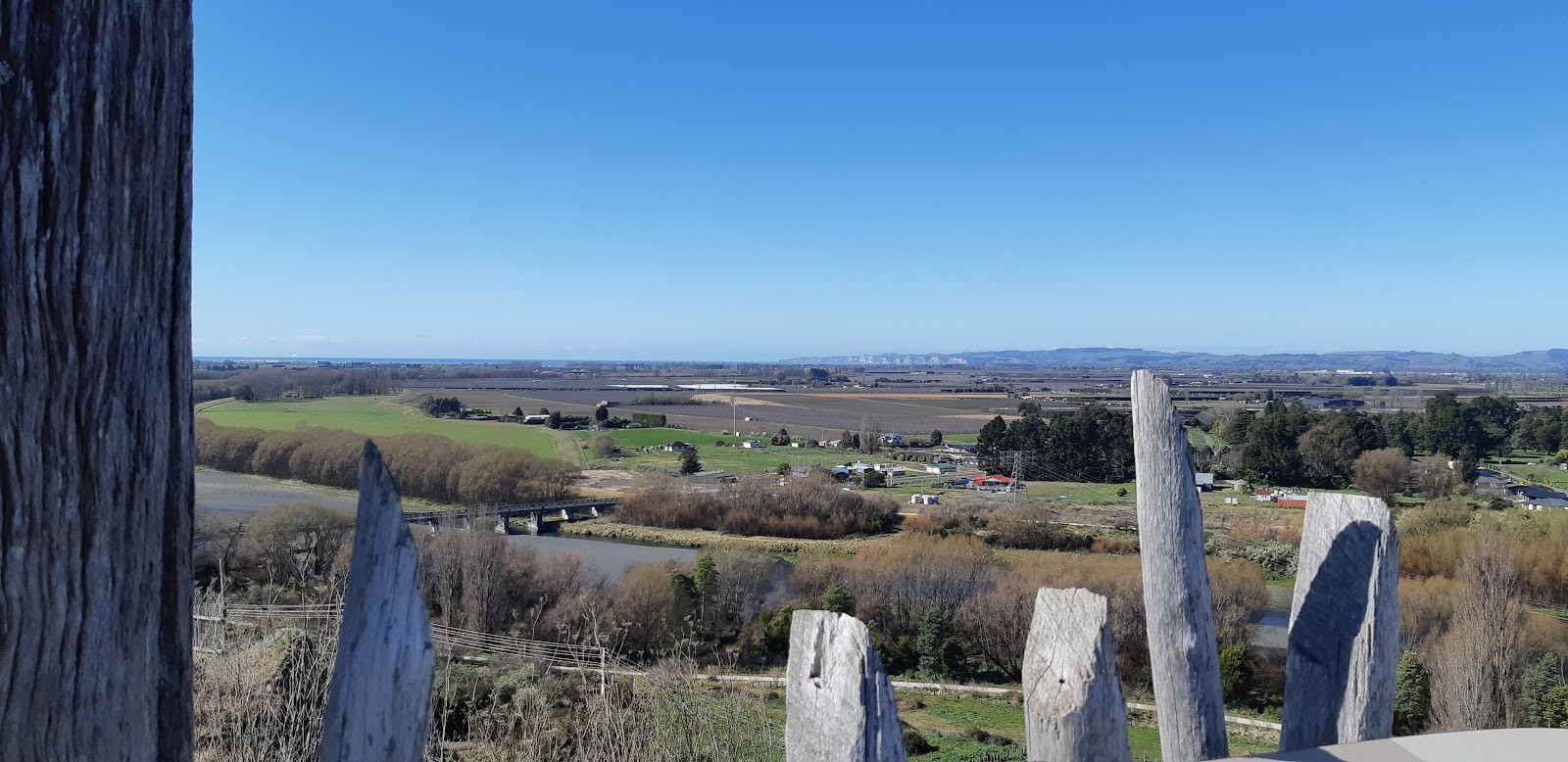
While coastal platforms within the city boundaries offer convenience, obtaining deeper, crisper views of delicate deep-sky objects requires stepping away from urban lighting. Just a short drive into the Hawke's Bay countryside brings you beneath noticeably darker canopies where the southern celestial features shine with far greater contrast and clarity.
Among the recognized destinations for night-sky exploration and astrophotography within the wider district is the Otatara Pa Historic Reserve. Known for its elevated, rolling contours and layered heritage, this historic reserve has served as a documented vantage for long-exposure night-sky photography and regional astrophotography. From elevated, earthwork-ridged landscapes away from the heavy street lighting of Napier's central business district, photographers and observers have utilized the location to capture dramatic long exposures of the rotating night sky, framed against tranquil rural horizons. When visiting heritage reserves at night, staying on designated paths, carrying hands-free illumination, and respecting the cultural and archaeological significance of the grounds ensures the site remains well preserved.
Further inland, moving southward toward the valleys and rural river corridors of Hawke's Bay reveals even deeper darkness. Agricultural flats, undulating hill country, and sheltered riverbeds naturally block low-horizon light glow from the coastal population centers, creating the ink-black conditions favored by amateur astronomers across the North Island.
Hawkes Bay Astronomical Society: Meetings and Public Viewing Evenings
Those seeking expert local guidance, community discussion, or an opportunity to observe deep-sky objects through serious optics can connect with the region's active astronomy community. The Hawkes Bay Astronomical Society exists to foster astronomy education, scientific curiosity, and shared observation across Hawke's Bay.
The Hawkes Bay Astronomical Society holds regular monthly meetings at the Hawkes Bay Holt Planetarium, situated within the grounds of Napier Boys' High School off Chambers Street in Napier. These gatherings provide an open forum for local stargazers, astrophotographers, and visitors to learn about regional viewing conditions and celestial events.
When weather permits, the Hawkes Bay Astronomical Society hosts viewing evenings using portable telescopes at different locations around the Napier area. Club members bring portable instruments to selected outdoor sites to observe celestial objects, including the Moon, planets, and deep-sky targets. Because clear skies are essential, these sessions depend entirely on local weather conditions.
Comfortable Field Astronomy: The Binocular Viewing Approach
Telescopes with intricate equatorial mounts and optical tubes are not the only way to enjoy stargazing in Hawke's Bay. In fact, a popular and accessible approach utilized locally is group binocular viewing accompanied by beach chairs and warm blankets.
As promoted by local astronomical groups, binocular astronomy represents a low-stress, highly accessible introduction to observing the southern night sky. Handheld or tripod-mounted binoculars offer a much wider field of view than high-magnification telescopes, making it significantly easier to navigate from one constellation to another without losing your spatial bearings. From an ergonomic perspective, setting up reclined beach chairs and wrapping up in blankets allows observers to look upward comfortably for extended periods without developing neck strain.
A pair of standard binoculars (such as 7x50 or 10x50 models) reveals surprising astronomical detail from dark Hawke's Bay viewpoints, including:
- The dense stellar clouds and dark dust rifts of the Milky Way core.
- Extended star clusters and bright celestial nurseries that are too wide to fit within the narrow field of view of a telescope eyepiece.
- The soft, misty glows of satellite galaxies such as the Large and Small Magellanic Clouds, which are distinctive wonders of southern hemisphere skies.
This relaxed approach allows families and traveling stargazers to enjoy clear night skies across regional campsites and coastal reserves without needing heavy or delicate optical hardware.
All-Weather Stargazing at the Holt Planetarium
Outdoor observing across Hawke's Bay inevitably depends on maritime weather fronts, cloud covers, and seasonal fronts. For guaranteed sky exploration regardless of meteorological conditions outside, the Hawkes Bay Holt Planetarium provides an immersive indoor environment dedicated to understanding the cosmos.
Located on the grounds of Napier Boys' High School off Chambers Street in Napier, the Holt Planetarium features an authentic Zeiss planetarium projector situated beneath a six-meter-diameter fiberglass dome. Once the interior auditorium lights are dimmed, the specialized Zeiss projector is capable of displaying over 3,000 stars, the Moon, planets, and the glowing band of the Milky Way across the dome's interior surface.
Because the planetarium operates completely independently of outdoor rain or cloud cover, it offers an educational baseline where visitors can learn to identify southern constellations, track planetary motions, and visualize cosmic mechanics guided by knowledgeable presenters. The planetarium environment offers an ideal orientation for both beginners and experienced skywatchers looking to understand what celestial objects will appear above the Hawke's Bay horizon during different seasons of the year.
Private Stargazing and Guided Dark Sky Experiences
For visitors seeking an intimate, guided night-sky experience set within the Hawke's Bay countryside, private rural stations offer specialized stargazing programs away from urban environments. One notable example is found at Te Aratipi Station in Hawke's Bay, which provides private night-sky viewing experiences set beneath vast, uninterrupted skies.
These rural experiences are conducted in collaboration with Bruce Ngataierua, Director of the Holt Planetarium and founder of Hawke's Bay Astro Tours. Guided by astronomical insight and hospitality, guests travel to private viewing locations on the station landscape as dusk settles across the hills. The experience incorporates laser-guided tours of the southern night sky, along with binocular and telescope viewing opportunities to observe seasonal planets, bright star clusters, and deep-sky objects visible on the evening. Combining expert interpretation with rural stillness, hot drinks, and blankets, private station tours provide a comfortable, personalized way to explore the night sky far from city lights.
The Central Star Party at TukiTuki Camp Site
Hawke's Bay also serves as a regional gathering point for the broader North Island astronomical community through multi-day camping events. A prominent fixture in the regional calendar is the Central Star Party, an established gathering designed to bring amateur astronomers and curious observers together in a relaxed social setting.
The TukiTuki Camp site in Hawke's Bay serves as the venue for the Central Star Party, providing a dedicated outdoor setting where astronomers set up telescopes, share observing techniques, and gather for astronomical talks and activities. The Tukituki River valley setting offers an open sky environment shielded from major urban light spill, creating favorable conditions for visual observing and dedicated astrophotography over consecutive nights. The Central Star Party provides a collaborative environment where observers of all skill levels can exchange knowledge, compare optical setups, and spend hours studying deep-sky features together under dark regional skies.
Astrophotography Tips for Hawke's Bay Skies
The dark rural spaces and coastal horizons of Hawke's Bay offer excellent opportunities for night-sky photography. Local members of the Hawkes Bay Astronomical Society capture diverse imagery across the district, ranging from deep-sky objects to long exposures at heritage locations such as Otatara Pa Historic Reserve.
Getting started in astrophotography requires only basic equipment:
- A Sturdy Tripod: Long exposures demand absolute stability against coastal breezes.
- A Camera with Manual Exposure Controls: A DSLR or camera allowing manual control over exposure settings is needed to capture faint starlight.
- A Shutter Release: Using an external release or timer prevents camera shake when initiating an exposure.
- Patience: Careful focusing and steady experimentation allow you to capture crisp celestial images across Hawke's Bay.
Key Stargazing Venues and Regional Viewing Summary
To help you organize your nocturnal adventures across Napier and the wider Hawke's Bay district, the following table summarizes the primary public, club, and private viewing locations detailed in this guide:
| Location / Venue | Setting & Focus | Key Highlights & Access Details |
|---|---|---|
| Napier Viewing Platform | Coastal urban observation deck | Public oceanfront deck at 60 Marine Parade overlooking the sea; excellent for open water views and moonrises. |
| Bluff Hill Lookout | Elevated maritime lookout | Located at 50 Lighthouse Road atop Bluff Hill; offers historic vantage point with sweeping ocean horizons. |
| Otatara Pa Historic Reserve | Elevated rural historic reserve | Scenic inland ridgelines away from city lights; utilized locally as an astrophotography and night-sky photo location. |
| Hawkes Bay Holt Planetarium | Indoor astronomical planetarium | Based at Napier Boys' High School; features a Zeiss projector under a 6m dome displaying over 3,000 stars rain or shine. |
| Hawkes Bay Astronomical Society | Community astronomy group | Hosts monthly meetings at Holt Planetarium and outdoor viewing evenings with portable telescopes around Napier. |
| Te Aratipi Station | Private rural dark sky experience | Guided station viewing with Bruce Ngataierua, featuring laser tours, binoculars, and telescope observation. |
| TukiTuki Camp Site | Rural river valley campsite | Venue for the multi-day Central Star Party, hosting North Island astronomers for talks, social events, and observing. |
Practical Advice for Night Viewing in Hawke's Bay
Getting the most out of your stargazing across Hawke's Bay requires sensible preparation. Even in the warmer months, nighttime temperatures drop rapidly once you settle into an open lookout or rural valley. Dressing in warm layers, wearing windproof outer clothing, and bringing insulated blankets or folding beach chairs will keep you comfortable during prolonged observing sessions.
To preserve your night vision, avoid using bright white phone screens or standard flashlights while walking around observing sites. It takes approximately twenty minutes for human eyes to fully adapt to deep darkness, allowing you to perceive faint stellar details and delicate nebulae. Packing a red LED flashlight or covering a standard torch with red cellophane preserves your dark adaptation while safely lighting footpaths.
Before heading out to rural vantages, check local meteorological forecasts for cloud cover, humidity, and atmospheric transparency. Coastal breezes can occasionally draw low marine stratus clouds across shoreline lookouts like Bluff Hill, whereas inland valleys may stay clear. When outdoor conditions prove unfavorable, the indoor presentations at the Holt Planetarium ensure you can still enjoy an inspiring tour across the constellations. With a thoughtful choice of location and simple gear, Hawke's Bay offers exceptional opportunities to marvel at the southern night sky.
Cover photo: Napier Viewing Platform - Sivmey Chhuor
By Alyssa.
Sources and further information
- Welcome | Hawkes Bay Astronomical Society
- Facilities » Hawkes Bay Holt Planetarium
- Bluff Hill Lookout
- Napier Viewing Platform
- Photos | Hawkes Bay Astronomical Society
- Luxury Stargazing Experience Hawke's Bay | Te Aratipi — Te Aratipi Station - Bespoke Farm Experiences, Hawke's Bay, New Zealand
Sources checked: 2026-11-22.